
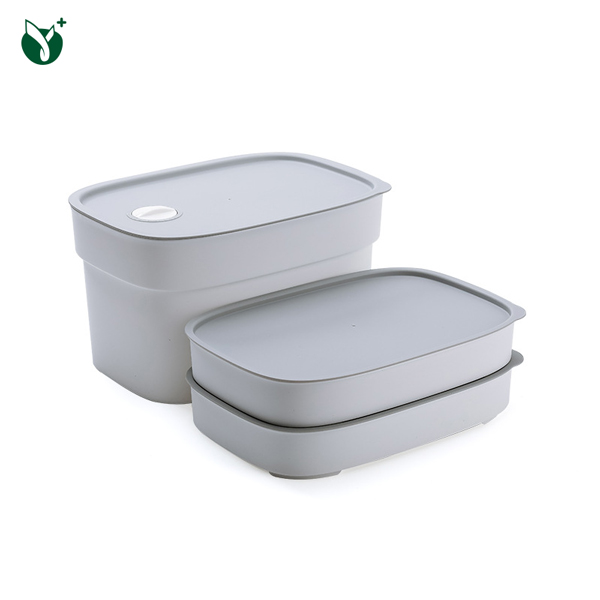
In the face of growing global environmental concerns, the development of sustainable packaging solutions has never been more vital. Recently, a pioneering advancement in the realm of food plastic bottles has emerged, signaling promising progress toward reducing plastic pollution. This breakthrough comes from a company whose R&D team boasts rich experience in biodegradable materials. In collaboration with the School of Materials Science and Chemical Engineering at Ningbo University, this initiative is set to transform the landscape of packaging materials and open a new era of environmental-friendly innovation.
### Addressing the Plastic Pollution Crisis
Plastic waste, particularly from single-use bottles, contributes significantly to global pollution, damaging ecosystems and threatening wildlife. Traditional plastic bottles, often made from petroleum-based polyethylene terephthalate (PET), take hundreds of years to decompose. With billions of such bottles discarded annually, the environmental toll is staggering.
Recognizing this, the company has directed its expertise toward developing biodegradable food plastic bottles that offer an eco-conscious alternative without compromising on quality and safety. Their R&D team specializes in sustainable materials, aligning scientific rigor with environmental responsibility to address this urgent challenge.
### The Role of Cutting-Edge Research and Collaboration
The development of these biodegradable food plastic bottles stems from an intensive research program focused on material innovation. Collaborating closely with the School of Materials Science and Chemical Engineering at Ningbo University, the company leverages academic expertise in polymer science and chemical engineering. This partnership combines theoretical research with practical applications, enhancing the efficiency and scalability of biodegradable solutions.
Together, they have been working to engineer biodegradable polymers that break down naturally under environmental conditions, reducing long-term waste accumulation. These polymers maintain the durability, transparency, and safety standards required for food packaging while ensuring compatibility with existing recycling systems.
### Key Features of the Biodegradable Food Plastic Bottles
The newly developed food plastic bottles exhibit several important features that set them apart from traditional plastic packaging:
1. **Biodegradability:** Designed to decompose in a controlled timeframe, these bottles minimize persistent environmental pollution.
2. **Food Safety Compliance:** They meet stringent food safety standards, ensuring no harmful substances leach into consumables.
3. **Mechanical Strength:** The bottles retain the high mechanical performance needed for handling, storage, and transportation.
4. **Recyclability:** While biodegradable, the materials are also compatible with current recycling streams, supporting circular economy principles.
5. **Reduced Carbon Footprint:** The materials are derived from renewable resources or incorporate bio-based polymers, reducing reliance on fossil fuels.
### Market Implications and Environmental Impact
The launch of these biodegradable food plastic bottles is timely given the increasing regulatory pressure on plastic packaging and rising consumer preference for sustainable products. Industries from beverage production to ready-to-eat meals stand to benefit from using these innovative containers.
By replacing conventional plastics, companies adopting this technology can contribute to a significant reduction in plastic waste generation. When scaled globally, such initiatives can help alleviate the burden on landfills and oceans, reduce microplastic contamination, and enhance overall environmental health.
Moreover, consumer awareness of sustainability issues continues to influence purchasing decisions. The availability of reliable biodegradable packaging supports brands seeking to align with eco-conscious values, fostering a positive corporate image.
### Pioneering Sustainable Innovation: The Company’s Mission
At the heart of this initiative lies a dedicated R&D team with extensive expertise in biodegradable materials. Their commitment extends beyond product development to fostering systemic change within the materials industry.
In cooperation with Ningbo University, the team is continuously exploring new formulations, advanced processing techniques, and lifecycle assessments to optimize performance and sustainability. This endeavor reflects a forward-thinking vision to enable widespread adoption of environmental-friendly materials across multiple sectors.
The partnership also emphasizes knowledge exchange, training future scientists and engineers, and setting a benchmark for collaborative innovation between academia and industry.
### Looking Forward: Shaping the Future of Environmental-Friendly Materials
The successful advancement of biodegradable food plastic bottles represents more than a product innovation; it symbolizes a transformative step towards sustainable manufacturing and consumption patterns.
As the company and its academic partners continue research and development, future iterations are expected to integrate enhanced biodegradability, reduced cost, and broader applicability. Expansion into other packaging formats and industries is anticipated, amplifying the environmental benefits.
Ultimately, this progress contributes to global efforts in combating climate change, preserving biodiversity, and fostering a circular economy. By championing biodegradable materials and rigorous scientific collaboration, the company is positioning itself as a leader in creating a cleaner, healthier planet.
### Conclusion
This pioneering development in biodegradable food plastic bottles marks the dawn of a new era for environmental-friendly materials. Through a fusion of experienced R&D expertise and academic partnership with the School of Materials Science and Chemical Engineering at Ningbo University, the pathway to sustainable packaging is clearer than ever.
As industries and consumers embrace these innovations, the potential for significantly reducing plastic pollution becomes a reality. The company’s dedication to biodegradable materials not only redefines food packaging but also inspires a broader commitment to environmental stewardship and responsible innovation.
Together, science and sustainability are shaping a future where environmental impact is minimized without compromising quality — a future that this breakthrough in food plastic bottles helps bring within reach.