
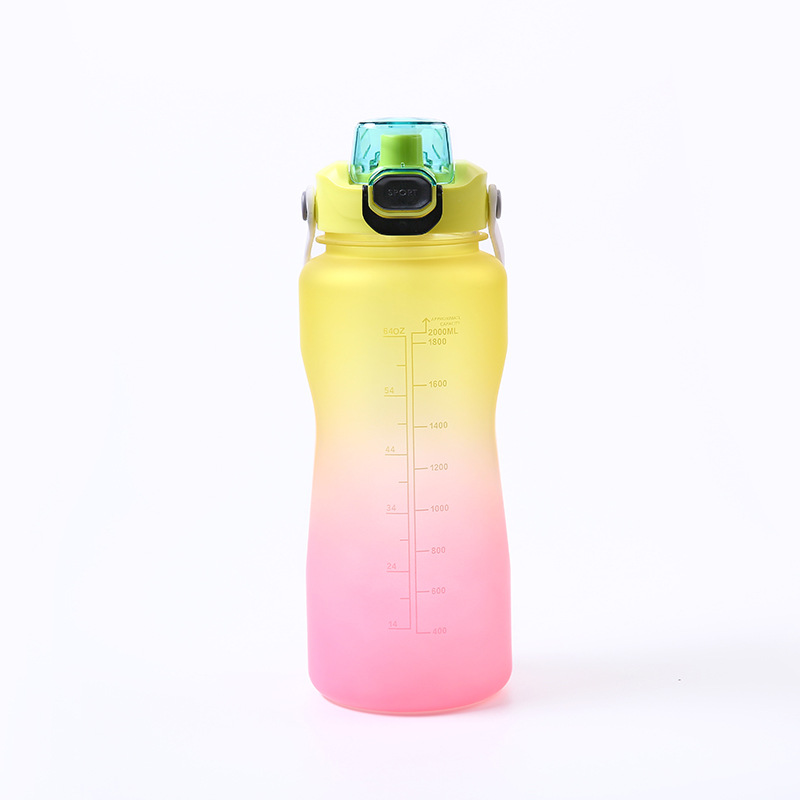
In an era where environmental sustainability has become a global priority, advancements in biodegradable materials are crucial to reducing plastic pollution and fostering a greener future. A recent breakthrough in the field comes from a dedicated research and development team that has successfully introduced biodegradable plastic juice bottles, marking a significant step forward in eco-friendly packaging solutions.
### Introducing Biodegradable Plastic Juice Bottles
The newly developed plastic juice bottles represent an innovative leap in sustainable packaging technology. Unlike conventional plastic bottles, which can take hundreds of years to decompose and pose severe environmental hazards, these bottles are designed to biodegrade naturally and safely, minimizing their ecological footprint. This development aligns perfectly with the growing consumer demand for sustainable products and the increasing regulatory pressures on plastic waste.
By focusing on biodegradable materials for everyday products such as juice bottles, the project aims to revolutionize the beverage packaging industry. The biodegradable juice bottles offer the same functionality, durability, and aesthetic appeal as traditional plastic bottles but with a critical difference—their end-of-life impact is drastically reduced, contributing to less landfill waste and lower pollution levels in oceans and soil.
### Company’s Commitment to Sustainable Innovation
This groundbreaking product comes from a company whose R&D team boasts rich experience in the research and development of biodegradable materials. Their commitment to innovation and environmental responsibility has positioned them at the forefront of sustainable material science.
The company’s strategy is deeply rooted in collaboration and scientific excellence. By partnering with the School of Materials Science and Chemical Engineering at Ningbo University, the team leverages advanced academic research to push the boundaries of biodegradable material development. This partnership facilitates the integration of cutting-edge science into practical, scalable solutions for industry challenges.
### Collaborative Efforts with Ningbo University
The cooperation with Ningbo University’s School of Materials Science and Chemical Engineering is a cornerstone of the company’s success. The university’s expertise in polymer science, chemical processes, and material engineering complements the company’s industrial R&D capabilities, creating a powerful synergy aimed at addressing environmental issues related to plastic waste.
This collaboration has enabled comprehensive research into new biodegradable polymers, innovative molding techniques, and optimized material properties to ensure the bottles are both environmentally sound and commercially viable. The academic input helps refine the lifecycle analysis of materials, ensuring the final product meets stringent biodegradability standards without compromising on safety, quality, or user experience.
### Environmental and Market Impacts
The introduction of biodegradable plastic juice bottles holds the promise of significant environmental benefits. By replacing traditional plastic bottles with biodegradable alternatives, the initiative addresses one of the largest sources of single-use plastic waste—beverage packaging. This has the potential to dramatically reduce plastic debris in natural habitats, mitigate the risk to wildlife, and lower greenhouse gas emissions associated with plastic production and disposal.
From a market perspective, the demand for environmentally friendly packaging is rapidly increasing. Consumers are becoming more conscious of their purchasing choices, favoring brands and products that demonstrate social and environmental responsibility. This trend encourages companies to innovate and adopt greener materials, creating a vibrant market for biodegradable packaging solutions.
### Opening a New Era of Environmental-Friendly Materials
The development of these biodegradable plastic juice bottles is more than just a product launch—it signals the opening of a new era of environmental-friendly materials. Through continuous research, development, and collaboration, the company and Ningbo University aspire to expand the applications of biodegradable materials beyond beverage packaging to other sectors such as food containers, agricultural films, and consumer goods packaging.
The long-term vision is to create a circular economy model for plastics, where materials derived from renewable resources are used to manufacture products that return safely to nature after use. This vision not only addresses plastic pollution but also fosters sustainable resource management and innovation-led economic growth.
### Future Outlook
Looking ahead, the company plans to scale up production capacity and refine the biodegradable formula to meet various industry requirements. Ongoing research will focus on enhancing the mechanical properties and biodegradation rates to tailor the materials for diverse climate conditions and regulatory environments.
Furthermore, the company intends to work closely with industry stakeholders, environmental organizations, and policymakers to promote the adoption of biodegradable materials and develop infrastructure for composting and recycling. Educational campaigns aimed at consumers will also play a pivotal role in driving awareness and proper disposal practices.
### Conclusion
The launch of biodegradable plastic juice bottles represents a milestone in the sustainable packaging landscape. With seasoned expertise, innovative research, and strong academic collaboration, the company is not only responding to the urgent call for environmental responsibility but also setting a benchmark for future green innovations.
As these environmentally friendly bottles enter the market, they symbolize hope for a cleaner, healthier planet and showcase the incredible potential of science and industry working hand in hand. This initiative is poised to inspire further breakthroughs and foster widespread adoption of biodegradable materials, ultimately contributing to the preservation of our natural environment for generations to come.