
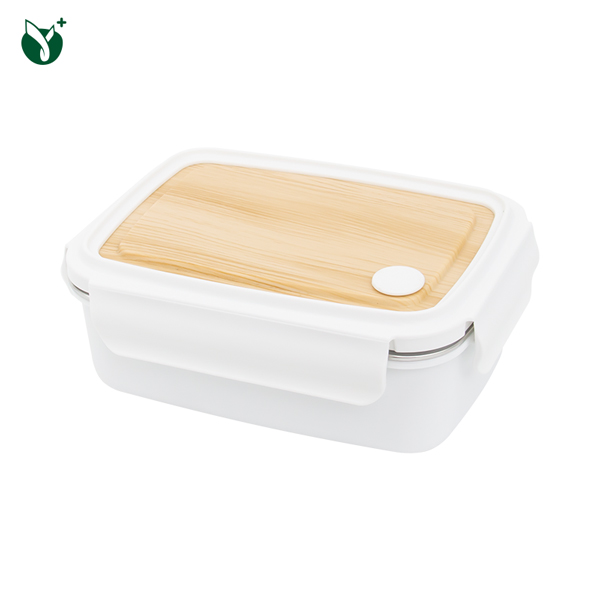
In the ongoing global effort to combat environmental pollution and reduce plastic waste, the emergence of biodegradable materials has become a beacon of hope. A groundbreaking development in this field is the introduction of Time Plastic Bottles, a revolutionary product designed to address the environmental challenges posed by conventional plastic bottles. These bottles mark a significant stride towards sustainable packaging solutions, leveraging cutting-edge technology and innovative materials science.
The core of this advancement lies in the expertise of a highly skilled R&D team renowned for their extensive experience in biodegradable materials. Their commitment to innovation focuses on creating environmentally friendly alternatives that do not sacrifice durability or usability. This team’s collaborative efforts with the esteemed School of Materials Science and Chemical Engineering at Ningbo University have catalyzed a transformative breakthrough in the development of eco-friendly materials.
### The Environmental Imperative
Plastic pollution has become a critical issue worldwide, with millions of tons of plastic waste infiltrating oceans, landfills, and ecosystems annually. Traditional plastic bottles, while convenient and cost-effective, pose a severe threat due to their non-biodegradable nature. They can persist in the environment for centuries, causing harm to marine life, wildlife, and human health.
Recognizing this urgent environmental imperative, the research team embarked on a mission to develop plastic bottles that can decompose naturally without leaving harmful residues. The objective was to create a product that matches or exceeds the performance of traditional plastics while significantly reducing ecological impact.
### Breakthrough in Biodegradable Materials
The Time Plastic Bottles represent the culmination of years of rigorous research and development in biodegradable polymers and composite materials. Utilizing innovative biodegradable compounds, these bottles are engineered to break down efficiently under natural conditions, thereby minimizing their environmental footprint.
The company’s R&D team employed advanced techniques in polymer science to tailor the material properties of the bottles. Their expertise allowed them to fine-tune the balance between mechanical strength, durability, and biodegradability, ensuring that the bottles meet industry standards for safety and performance.
### Strategic Collaboration with Ningbo University
A pivotal factor in achieving this milestone has been the strategic partnership with the School of Materials Science and Chemical Engineering at Ningbo University. This collaboration brought together academic excellence and industrial innovation, fostering an environment conducive to pioneering research in environmentally friendly materials.
Ningbo University’s researchers contributed cutting-edge scientific insights and state-of-the-art laboratory facilities, enabling extensive experimentation and testing. The fusion of theoretical knowledge with practical application accelerated the development process and ensured the highest quality standards.
### Environmental and Economic Benefits
The introduction of Time Plastic Bottles offers multiple benefits beyond environmental conservation. From an ecological standpoint, the biodegradability of these bottles reduces the accumulation of plastic waste, curtails pollution, and promotes a healthier ecosystem. When disposed of appropriately, the bottles decompose into non-toxic byproducts that can be assimilated by natural processes.
Economically, biodegradable bottles can open new markets and cater to the growing demand for sustainable products among consumers and businesses alike. Brands adopting such eco-friendly packaging stand to enhance their corporate image and meet increasingly stringent environmental regulations. Additionally, this innovation contributes to the circular economy by encouraging responsible consumption and waste management.
### Challenges and Future Outlook
Despite the promising potential of biodegradable plastic bottles, challenges remain in scaling up production and ensuring wide adoption. Cost competitiveness against conventional plastics, consumer awareness, and infrastructure for biodegradation play crucial roles in the transition to sustainable packaging.
The company and its academic partner are actively addressing these challenges through ongoing research aimed at optimizing production processes and enhancing material properties. Public education campaigns and collaboration with regulatory bodies are also pivotal in driving market acceptance.
Looking ahead, the partnership envisions expanding their research portfolio to encompass a broader range of biodegradable products, further contributing to environmental sustainability. The success of Time Plastic Bottles sets a precedent for innovation that balances ecological responsibility with industrial practicality.
### Conclusion
The advent of Time Plastic Bottles symbolizes a significant leap forward in the battle against plastic pollution. Guided by a dedicated R&D team with rich experience in biodegradable materials and bolstered by a fruitful collaboration with Ningbo University, this innovation ushers in a new era of environmentally friendly materials.
As the world grapples with mounting environmental challenges, such proactive advancements underscore the vital role of science, technology, and cooperative efforts in crafting a sustainable future. Time Plastic Bottles exemplify how committed research and strategic partnerships can transform visionary concepts into tangible solutions—paving the way for a greener planet and a healthier society.