
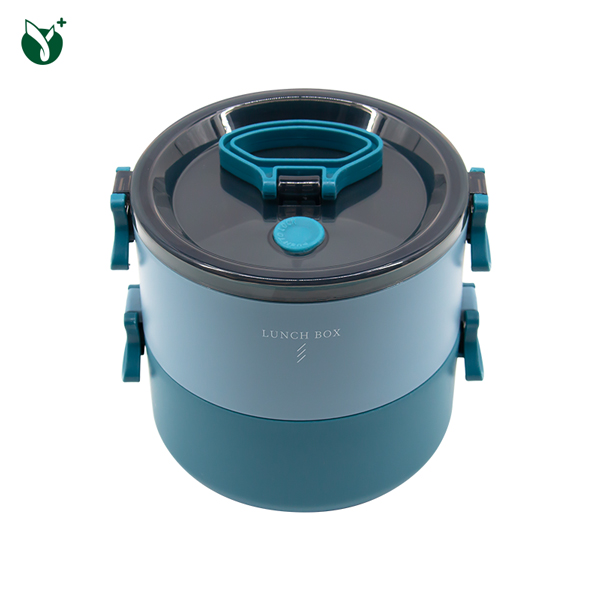
In a bold stride towards a greener future, the launch of the EU standard lunch box marks a significant milestone in sustainable product innovation. Developed by a company renowned for its commitment to environmental stewardship and backed by a dedicated research and development team specializing in biodegradable materials, these lunch boxes are set to redefine everyday convenience with ecological consciousness at their core.
### Innovation Rooted in Expertise and Collaboration
The company behind this breakthrough is distinguished by its experienced R&D team, whose expertise in biodegradable materials drives the innovation process. Their work goes beyond conventional product development; it is deeply integrated with ongoing scientific research. This synergy is exemplified by the company’s close partnership with the School of Materials Science and Chemical Engineering at Ningbo University—a collaboration that is critical to advancing environmental-friendly materials and pushing the boundaries of what biodegradable products can achieve.
By leveraging the academic rigor and cutting-edge research capabilities of Ningbo University, the company ensures its products meet the highest standards in both performance and sustainability. This partnership not only fosters innovation but also paves the way for creating materials that minimize environmental impact without compromising on product quality or user convenience.
### Meeting EU Standards: A Benchmark for Quality and Sustainability
The newly introduced lunch box complies with rigorous EU standards, which serve as a benchmark for quality, safety, and sustainability in the packaging industry. Adhering to these standards signifies that the product fulfills strict criteria for biodegradability and environmental compatibility, ensuring that it breaks down efficiently after use without leaving harmful residues.
This compliance is particularly meaningful in the global context, where consumers and regulators alike demand higher accountability and transparency regarding the lifecycle of disposable and reusable products. The lunch box’s certification offers reassurance to environmentally conscious consumers that their choice aligns with sustainable practices and supports the reduction of plastic pollution.
### The Rise of Biodegradable Materials: Addressing Global Environmental Challenges
Plastic pollution remains one of the planet’s most pressing environmental challenges. Single-use plastics, including conventional lunch boxes, contribute significantly to landfill overflow and marine pollution, posing threats to wildlife and ecosystems.
Biodegradable materials provide a compelling solution to this issue. Designed to decompose naturally under specific environmental conditions, such materials reduce long-term waste accumulation and support circular economy principles. The company’s focus on biodegradable solutions tackles the problem at the source, offering alternatives that lessen ecological footprints without sacrificing utility.
### Product Features and User Benefits
The EU standard lunch box is thoughtfully engineered to meet the needs of modern consumers who value both practicality and sustainability. Featuring robust design elements, the lunch box is microwave-safe, leak-resistant, and durable enough for daily use, making it ideal for a variety of lifestyles—from office workers to students and outdoor enthusiasts.
Its biodegradable composition ensures that, once discarded, the lunch box will decompose within an environmentally friendly timeframe. This characteristic significantly mitigates the accumulation of waste in landfills and oceans, aligning everyday habits with broader goals of environmental preservation.
### Advancing Environmental Protection Through Science and Industry
The collaboration between the company and Ningbo University exemplifies a forward-thinking model where academia and industry join forces to tackle complex environmental problems. With the university’s expertise in materials science and chemical engineering, research efforts focus on optimizing material properties, enhancing biodegradation rates, and ensuring the safety and sustainability of end products.
This collaboration not only enhances the company’s product offerings but also contributes to the broader scientific community by advancing knowledge in biodegradable materials. It opens up new possibilities for environmental-friendly packaging and beyond, potentially influencing sectors such as agriculture, healthcare, and consumer goods.
### Market Impact and Future Outlook
The introduction of an EU standard lunch box addresses a growing consumer demand for sustainable alternatives amid increasing environmental awareness. As governments across Europe and worldwide tighten regulations on single-use plastics, products that combine compliance with innovation gain competitive advantage in the marketplace.
Looking ahead, the company plans to expand its portfolio of biodegradable products, continuing its mission to reduce plastic waste and promote sustainability across industries. Ongoing research and development, fueled by strong academic partnerships, will likely yield new materials and solutions that further elevate environmental standards and consumer expectations.
### Conclusion: A Step Forward in Sustainable Living
The launch of this EU standard biodegradable lunch box represents more than just a new product entering the market—it symbolizes a commitment to sustainability, scientific innovation, and environmental responsibility. Through strategic collaboration and an expert R&D team, the company is not only meeting today's needs but actively shaping the future of eco-friendly materials.
Consumers choosing this lunch box participate in a global movement toward reducing plastic pollution and embracing sustainable daily practices. Meanwhile, the partnership with Ningbo University highlights the powerful impact of bridging science and industry to create tangible environmental benefits.
As society collectively moves towards greener solutions, products like this lunch box are vital in demonstrating that sustainability and practicality can go hand in hand, ushering in a new era of environmental-friendly materials and conscious consumption.