
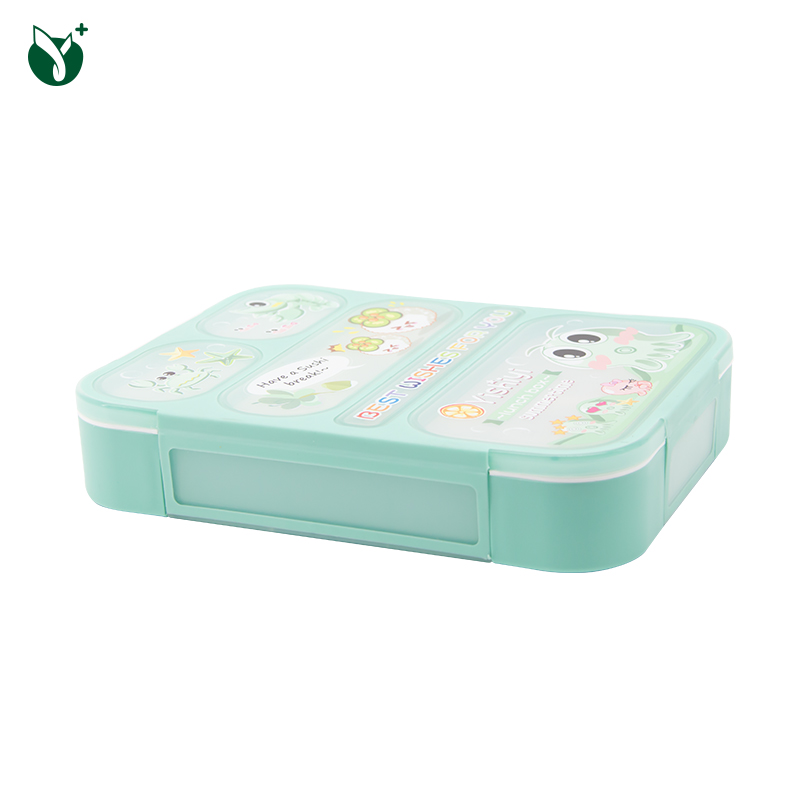
In a significant stride towards environmental sustainability, a pioneering company has unveiled its latest development in food packaging technology: a biodegradable lunch box designed to reduce plastic waste and promote eco-friendly consumption. This launch is not only a testament to cutting-edge research and development but also a reflection of fruitful collaboration between industry experts and academia, signaling the dawn of a new era in environmentally responsible materials.
### Combining Expertise and Innovation
At the heart of this groundbreaking product is a dedicated R&D team boasting rich experience in the realm of biodegradable materials. Their in-depth knowledge and innovative approach have enabled the creation of a food packaging container that balances functionality, safety, and sustainability. The team’s relentless pursuit of environmentally friendly alternatives to traditional plastic packaging has culminated in a lunch box that decomposes naturally, minimizing harm to the planet.
The company has also joined forces with the esteemed School of Materials Science and Chemical Engineering at Ningbo University. This partnership combines practical industrial insights with academic rigor and scientific expertise, fostering an environment where innovation thrives. Together, they aim not only to refine biodegradable materials but also to explore new frontiers in eco-friendly product development.
### Environmental Imperatives Driving Change
The global surge in plastic pollution has propelled an urgent need for sustainable alternatives, especially in the food packaging sector. Traditional plastic containers, while convenient, contribute significantly to landfill waste and ocean pollution, endangering wildlife and disrupting ecosystems. Governments, consumers, and environmental organizations alike are demanding change—pushing companies to rethink their packaging solutions.
In response, the newly developed biodegradable lunch box offers a compelling alternative. Crafted from environmentally friendly materials, the lunch box guarantees effective food preservation while naturally breaking down after disposal. This characteristic is pivotal in reducing the volume of non-degradable waste, helping to alleviate the pressure on municipal waste management systems and curbing the long-lasting environmental footprint left by plastic products.
### Features and Benefits of the Biodegradable Lunch Box
1. **Material Composition:** The lunch box is made from advanced biodegradable polymers, derived from plant-based sources. These materials are carefully selected to maintain structural integrity during use yet decompose efficiently under composting conditions.
2. **Durability and Safety:** Despite its eco-friendly composition, the container offers robust protection against moisture, heat, and mechanical impact. It is designed to be microwave-safe and leak-proof, ensuring consumers do not have to compromise on convenience or food safety.
3. **Compostability:** The lunch box degrades within a specific timeframe when disposed of in compostable environments, converting into natural biomass without releasing toxic residues.
4. **Design Versatility:** Available in various sizes and compartments, the lunch box caters to diverse food storage demands, from single meals to family portions, making it suitable for schools, offices, restaurants, and households.
5. **Aesthetic Appeal:** The product sports a clean, modern design, emphasizing its ecological ethos while appealing to environmentally conscious consumers looking for stylish yet sustainable options.
### Academic-Industry Collaboration: A Model for Future Sustainability
The collaboration with Ningbo University's School of Materials Science and Chemical Engineering underscores the importance of academic partnerships in driving innovation. Researchers bring comprehensive knowledge of polymer sciences, biodegradability mechanisms, and material testing standards, which complements the industry team's practical development and market insight.
This synergy accelerates the innovation cycle, allowing for thorough testing and quality control while exploring novel biodegradable composites and additives that enhance product performance. Additionally, this alliance facilitates access to state-of-the-art laboratories and research infrastructure, paving the way for future breakthroughs in green materials.
### Broader Impacts and Vision for the Future
The introduction of this biodegradable lunch box aligns with a broader corporate vision: opening a new era of environmental-friendly materials that extend beyond food packaging. By harnessing biodegradable polymers and sustainable design principles, the company aims to revolutionize how everyday products are manufactured and disposed of.
In the near term, this innovation stands to play a crucial role in reducing single-use plastic consumption, particularly in on-the-go food consumption patterns that dominate urban lifestyles worldwide. Concurrently, the company intends to expand their product range to include biodegradable containers for other applications such as fresh produce packaging, takeout boxes, and disposable cutlery.
Moreover, this initiative supports national and global environmental goals, contributing to circular economy models where waste is minimized, and materials are continuously cycled through productive use.
### Consumer Reception and Market Outlook
Early market feedback indicates a strong interest in biodegradable food packaging options. Consumers, increasingly aware of environmental issues, are actively seeking products that reflect their values. The lunch box’s eco-friendly narrative, combined with practical usability, positions it well to capture a growing segment of green-conscious shoppers.
Retailers and food service providers are also expected to benefit from adopting biodegradable packaging, enhancing their brand image and complying with tightening environmental regulations across various jurisdictions.
### Conclusion
The launch of this biodegradable lunch box heralds a promising development in sustainable food packaging. Thanks to the expertise of a seasoned R&D team and the innovative collaboration with Ningbo University’s School of Materials Science and Chemical Engineering, the product embodies a commitment to environmental stewardship without sacrificing quality or convenience.
As the world grapples with the challenges of plastic pollution and climate change, innovations like these signal optimism—demonstrating that with targeted research, cooperative effort, and bold visions, industries can catalyze meaningful progress towards a greener future.
This milestone not only addresses the immediate need for eco-friendly food containers but also sets a foundation for continued advancements in biodegradable materials, opening a new era of environmental-friendly products that could reshape consumption patterns globally.