
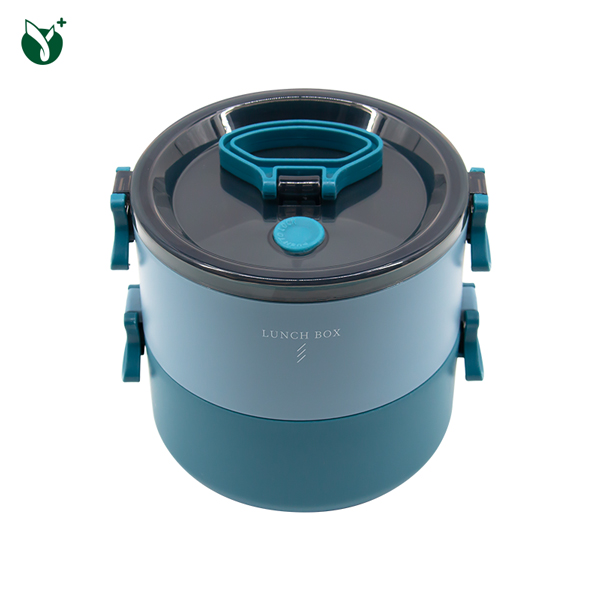
In recent years, as environmental concerns continue to rise globally, sustainable and eco-friendly products have become a focal point for consumers and manufacturers alike. One of the latest innovations making waves in this green revolution is the development of an innovative folding lunch box designed with biodegradable materials. This product marks a significant milestone in combining practicality with environmental responsibility, and it signals a promising future for eco-conscious consumer goods.
At the heart of this breakthrough is a dedicated R&D team with extensive experience in the research and development of biodegradable materials. Their expertise has been instrumental in transforming a traditional everyday item, the lunch box, into an environmentally sustainable solution without compromising convenience or durability. The team’s commitment to innovation and sustainability aligns perfectly with global efforts to reduce plastic waste and reliance on nonrenewable resources.
The project’s success is further strengthened through a strategic partnership with the School of Materials Science and Chemical Engineering at Ningbo University. This collaboration bridges academic research with practical manufacturing, ensuring that the materials used meet the highest standards of environmental compatibility and performance. Such cooperation exemplifies the critical role academic institutions play in advancing sustainable technology and materials science.
**A Product Rooted in Environmental Responsibility**
This novel folding lunch box is made primarily from newly developed biodegradable materials that break down naturally without leaving harmful residues. Unlike conventional plastic containers, which can take hundreds of years to decompose and contribute significantly to environmental pollution, these materials ensure a much greener lifecycle. This innovation is crucial at a time when plastic waste constitutes a major global issue, clogging landfills and oceans with mounting ecological consequences.
The design of the lunch box emphasizes user convenience. It folds into a compact size, making it ideal for those on the go — students, office workers, and travelers alike. By employing lightweight yet sturdy biodegradable materials, the lunch box guarantees durability while adhering to strict environmental standards. Its ability to collapse when not in use makes it easier to store and carry, reducing the need for multiple containers and single-use packaging.
**Technological Innovation Backed by Expertise**
The R&D team behind this endeavor brings substantial experience in material science, particularly in the development of polymers that biodegrade efficiently without compromising safety or functionality. Their deep understanding of chemical and physical properties allowed them to innovate at the molecular level, engineering materials that provide the necessary strength and flexibility for daily use, while still being eco-friendly.
In collaboration with Ningbo University’s School of Materials Science and Chemical Engineering, the team was able to leverage cutting-edge research facilities and expertise. This academic-industry synergy facilitated rigorous testing and optimization of the biodegradable compounds, ensuring the lunch box performs under various environmental conditions and complies with regulatory guidelines for food-grade containers.
This partnership also enabled rapid iteration of prototypes and accelerated the timeline from research to commercialization. The close interaction between academic researchers and industrial developers ensures the materials can be responsibly manufactured at scale, balancing ecological impact and cost-effectiveness.
**Opening a New Era for Environmental-Friendly Materials**
This folding lunch box represents more than just an individual product innovation; it symbolizes a broader shift in how materials science is applied to everyday consumer goods. By focusing on biodegradable components without sacrificing user experience, it challenges the perception that sustainable products are less practical or durable.
The collaboration between an experienced R&D team and a prestigious academic institution highlights the pivotal role of cross-sector partnerships in driving sustainable innovation forward. Their joint effort not only produced a viable product but also laid groundwork for further applications of biodegradable materials in packaging, storage, and disposable goods.
Looking ahead, this development could inspire other manufacturers to explore similar eco-friendly materials in a variety of products, fostering a market-wide commitment to reducing environmental impact. Through continuous research and development, supported by solid scientific foundations, a new era of green materials is emerging—one that could significantly curb pollution and conserve natural resources for future generations.
**Meeting Growing Consumer Demand for Sustainability**
Consumers worldwide are increasingly seeking products that align with their values of sustainability and eco-conscious living. The folding lunch box responds directly to this demand by offering a convenient, stylish, and environmentally responsible alternative to traditional plastic containers. Its launch is timely as awareness regarding plastic waste and its consequences escalates among the public.
Educational institutions, workplaces, and retailers are expected to embrace this environmentally friendly solution as part of their efforts to promote green practices. From reducing single-use plastic waste to encouraging sustainable consumption patterns, such eco-friendly products play an essential role in shaping a cleaner future.
**Conclusion**
The innovative folding lunch box developed from biodegradable materials represents a significant leap toward integrating sustainability with everyday practicality. Driven by a skilled R&D team and strengthened through collaboration with Ningbo University’s School of Materials Science and Chemical Engineering, this product opens the door to new possibilities in environmentally friendly material applications.
As this new era of green materials unfolds, it exemplifies how science and industry working hand in hand can address pressing environmental challenges. More than just a lunch box, this development is a beacon of hope and a tangible step forward in the global quest for sustainable living.