
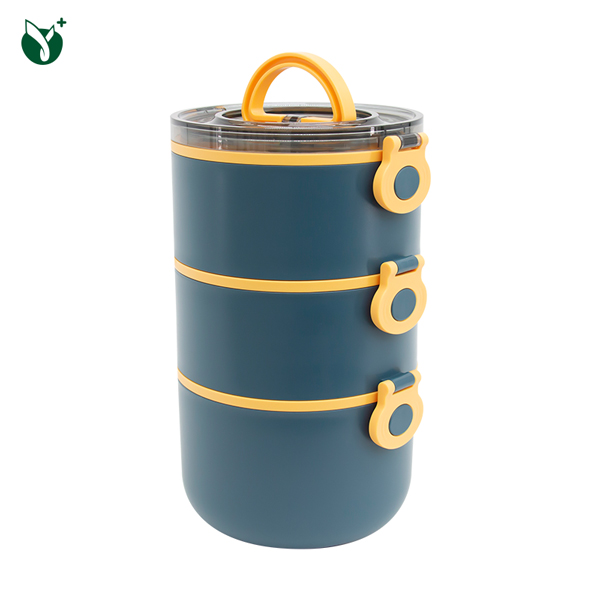
In recent years, the increasing awareness of environmental protection and sustainability has driven companies worldwide to rethink traditional packaging materials. Among these innovations, environmentally friendly plastic lunch boxes have emerged as a practical solution to reduce the ecological footprint of disposable containers without compromising functionality. Leveraging cutting-edge research and collaboration with academic institutions, one leading manufacturer is setting new standards in the development of biodegradable materials, marking a significant milestone in the packaging industry.
### A Commitment to Sustainability
Environmental pollution caused by conventional plastics is one of the most pressing challenges of our time. Single-use plastic lunch boxes, commonly used for takeout and convenience meals, contribute significantly to pollution due to their non-biodegradable nature. Recognizing this, the company has actively pursued the development of an innovative environmental protection plastic lunch box designed with sustainability at its core.
The company’s R&D team, renowned for its rich experience in biodegradable materials research, has spearheaded this project. Their focus extends beyond mere compliance with environmental regulations; it is about reshaping how packaging interacts with the environment. By developing materials that can decompose naturally after use, the team aims to eliminate the persistence of plastic waste in landfills and oceans.
### Collaboration with Ningbo University
A key factor in the company’s success has been its strategic partnership with the School of Materials Science and Chemical Engineering at Ningbo University, a leading institution known for its breakthroughs in material innovation.
This collaboration brings together industrial expertise and academic research prowess, fostering an environment where theoretical knowledge meets practical application. Through joint research projects, the team has made significant advances in the formulation of biodegradable polymers. These new materials match or even exceed the performance characteristics of traditional plastics in terms of durability, heat resistance, and safety, all while possessing the ability to break down naturally in the environment.
### Technological Innovation Driving Progress
The environmental protection plastic lunch box embodies multiple technological innovations. One major advancement is the use of plant-based polymers derived from renewable resources. Unlike petroleum-based plastics, these materials reduce dependency on fossil fuels and lower carbon emissions during production.
Moreover, the lunch box features an innovative design that maximizes the efficiency of material use, reducing waste in manufacturing. Its strength and thermal stability ensure it can safely contain a wide range of food products, from hot meals to cold salads, without deformation or leaching harmful substances.
Another notable innovation is the incorporation of antimicrobial properties, which prolong the shelf life of food and maintain hygiene without resorting to chemical additives. This feature, combined with biodegradability, attempts to address food safety and environmental concerns simultaneously.
### Impact on the Industry and Environment
The launch of the environmental protection plastic lunch box signifies a transformative shift in packaging solutions. Its commercial availability provides businesses with a viable alternative to conventional plastics, enabling them to reduce their environmental impact while meeting consumer demand for sustainable products.
Retailers, catering services, and food delivery companies adopting these eco-friendly lunch boxes can significantly reduce plastic waste. Additionally, consumers increasingly favor brands committed to environmental stewardship, positioning these products as both ethical and market-smart choices.
From an environmental perspective, widespread use of biodegradable lunch boxes can substantially decrease plastic pollution. As these materials decompose quickly in composting conditions, they do not accumulate in soil or aquatic ecosystems, reducing risks to wildlife and human health.
### Looking Forward: Opening a New Era in Materials Science
This initiative reflects the company’s broader vision to pioneer the future of environmental-friendly materials. Building on the foundation established with this lunch box, continuous R&D efforts are underway to expand the range of biodegradable packaging products, including containers, films, and wraps.
The partnership with Ningbo University will continue to be instrumental in these endeavors, driving innovations that combine sustainability with industrial practicality. The integration of new scientific discoveries and advanced manufacturing techniques promises to open a new era characterized by environmentally responsible consumption and production.
### Conclusion
The environmental protection plastic lunch box represents more than just a product—it symbolizes a commitment to ecological preservation and scientific progress. With the combined expertise of an experienced R&D team and the academic excellence of Ningbo University, this advancement not only addresses current environmental challenges but also sets a precedent for future innovations in biodegradable materials.
As the world grapples with plastic pollution, such pioneering efforts mark a hopeful path forward, demonstrating that sustainability and functionality can coexist in harmony. This new era of eco-friendly packaging underscores the powerful impact of collaboration between industry and academia in building a greener, cleaner future for all.