
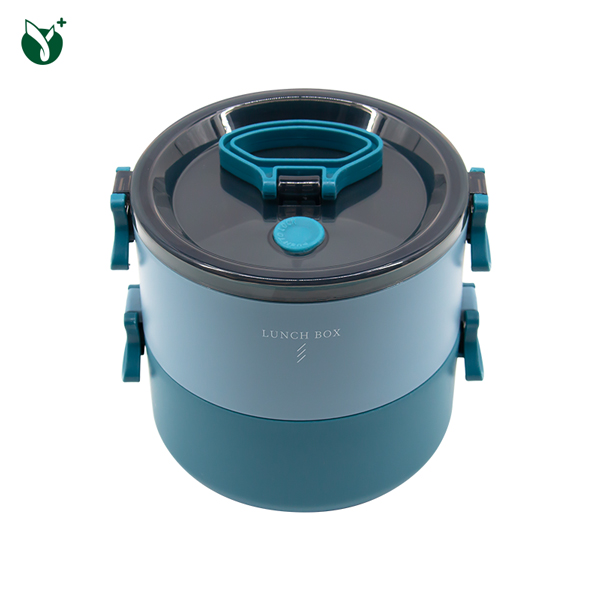
In an era increasingly defined by environmental consciousness and sustainable development, the introduction of innovative biodegradeable lunch boxes marks a significant milestone in eco-friendly packaging solutions. These biodegradable lunch boxes, developed through cutting-edge research and collaboration with academic institutions, promise to revolutionize the way consumers and businesses approach disposable food containers, reducing plastic waste and fostering a greener future.
### Pioneering Sustainable Solutions through Expert R&D
At the heart of this groundbreaking innovation lies a dedicated Research and Development (R&D) team with extensive experience in biodegradable materials. Their expertise enables the meticulous design, testing, and optimization of products that not only meet the practical needs of food packaging but also comply with stringent environmental standards.
The team’s commitment to sustainability is evident in the materials chosen for these lunch boxes. Unlike traditional plastic containers, which can take hundreds of years to decompose, the biodegradable alternatives are composed of materials derived from renewable resources. These materials naturally break down under specific environmental conditions, reducing landfill accumulation and minimizing ecological footprints.
### Collaboration Fuels Innovation
This initiative benefits significantly from the strategic partnership with the School of Materials Science and Chemical Engineering at Ningbo University. This collaboration bridges industry and academia, combining practical industrial experience with theoretical expertise. Together, they are pioneering research in biodegradable polymers and composites that drive the performance of these lunch boxes.
The cooperation is instrumental in overcoming technical challenges typically encountered in biodegradable materials, such as strength, durability, heat resistance, and cost-effectiveness. By leveraging academic insights and advanced material engineering, the R&D team and the university are able to tailor the composition and manufacturing processes to create lunch boxes that excel in usability and environmental impact.
### Environmental Impact and Market Potential
Globally, the demand for single-use food containers is staggering, with billions of units consumed annually. Unfortunately, a majority of these items are made from non-degradable plastics that contribute to pollution and harm wildlife. Biodegradable lunch boxes represent a sustainable alternative that addresses this pressing environmental issue.
These new products decompose efficiently in composting environments, transforming into harmless biomass within months rather than centuries. This process significantly mitigates pollution and lowers greenhouse gas emissions associated with the degradation of conventional plastics.
Beyond their environmental benefits, biodegradable lunch boxes hold extensive market potential. As governments worldwide implement stricter regulations on plastic use, industries are compelled to seek eco-friendly packaging solutions. Restaurants, catering services, schools, and corporate cafeterias are increasingly adopting biodegradable containers to align with sustainability goals and customer preferences.
### Commitment to a Green Future
The introduction of these biodegradable lunch boxes is more than a commercial venture—it is a statement of commitment to sustainable development and environmental stewardship. The R&D team’s ongoing dedication to improving biodegradable materials reflects a broader vision of reducing humanity’s ecological footprint and fostering a circular economy.
The company aims to continually innovate and expand its product line, integrating new biodegradable materials and enhancing performance features. Through research, development, and collaboration, they aspire to contribute significantly to the global movement towards sustainable consumption and production.
### Conclusion
The development of biodegradable lunch boxes signals a transformative advancement in sustainable packaging. Supported by a highly skilled R&D team and a fruitful partnership with Ningbo University’s School of Materials Science and Chemical Engineering, these products embody a synergy of innovation, science, and environmental responsibility.
As the world grapples with plastic pollution and resource depletion, such strides in biodegradable technology offer hope and practical solutions. By replacing conventional plastic lunch boxes with biodegradable alternatives, consumers and businesses can significantly reduce waste and environmental impact, paving the way for a cleaner, healthier planet.
This collaboration and innovation not only highlight the possibilities within biodegradable materials but also inspire further research and development in the field. Together, the team and academic partners are poised to usher in a new era of environmental-friendly materials, setting a benchmark for industries committed to sustainability.
---
*This news article was created to highlight the launch and significance of biodegradable lunch boxes, focusing on their environmental benefits, the expertise of their developers, and the collaborative research behind their success.*