
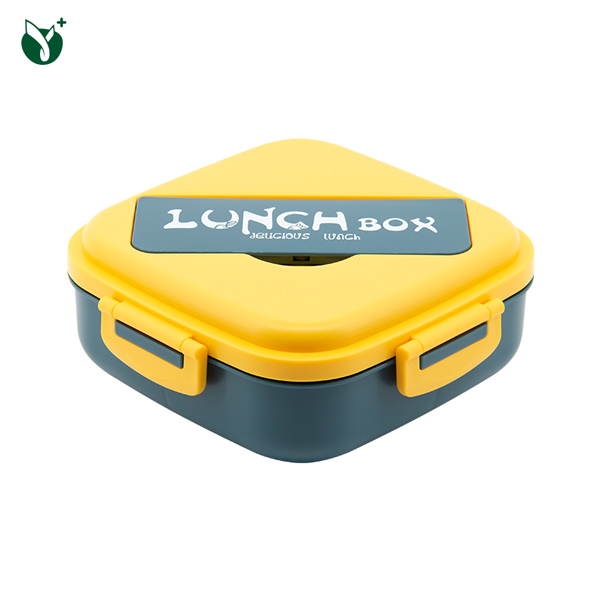
In an increasingly eco-conscious world, sustainable solutions in everyday products have become more than just a trend—they are a necessity. Responding to this global call, a pioneering kitchen ware company has unveiled a groundbreaking plastic lunch box designed with an emphasis on environmental sustainability and practical utility. This innovative product, developed by a dedicated research and development team with extensive experience in biodegradable materials, marks a significant stride towards reducing plastic waste and promoting greener lifestyles.
### Bridging Innovation and Sustainability
The newly launched kitchen ware plastic lunch box stands out not only for its functional design but also for its environmentally responsible material composition. The product embodies the company’s commitment to creating eco-friendly alternatives without compromising on quality or durability. By utilizing advanced biodegradable materials, the lunch box ensures functionality during daily use and safe, natural degradation after disposal—addressing the critical pollution issues associated with conventional plastics.
At the heart of this innovation is the company’s R&D team, renowned for their expertise and relentless pursuit of cutting-edge sustainable materials. Their extensive experience in the field has allowed the team to engineer a plastic lunch box that meets strict environmental standards while providing excellent heat resistance, durability, and convenience suited for modern lifestyles.
### Collaborative Efforts with Ningbo University
One of the decisive factors propelling this initiative is the collaboration with the School of Materials Science and Chemical Engineering at Ningbo University. Rooted in scientific research and academic excellence, this partnership bridges industrial application and fundamental material science. Together, they leverage advanced polymer science, material engineering, and chemical innovation to develop materials that are not just biodegradable but also robust enough for everyday kitchen use.
The cooperation aims to push the boundaries of biodegradable technology, creating composites and formulations that accelerate degradation under controlled composting conditions without releasing harmful residues. This approach aligns perfectly with global environmental goals and regulatory trends advocating plastic alternatives that lower carbon footprints and minimize landfill accumulation.
### Features and Benefits of the Biodegradable Lunch Box
The plastic lunch box showcases a user-friendly design that combines practicality with green technology. Here are some of its key features and benefits:
- **Biodegradable Composition**: Made from innovative bio-based polymers, the lunch box decomposes naturally within a significantly shorter time frame compared to traditional plastics, helping to reduce persistent environmental litter.
- **Durability and Safety**: Despite its biodegradable nature, the material delivers strong mechanical properties, ensuring resistance to cracking, impact, and repeated use. The product meets food safety standards, avoiding chemical leaching and maintaining food hygiene.
- **Heat Resistance**: Suitable for microwave use, the lunch box can withstand daily heating and reheating processes without structural damage, enhancing user convenience.
- **Lightweight and Portable**: Designed for on-the-go lifestyles, the lunch box is lightweight, compact, and easy to carry, making it ideal for office workers, students, and outdoor activities.
- **Eco-Friendly Disposal**: After its lifecycle, the lunch box can be disposed of in industrial composting facilities, where it breaks down into water, carbon dioxide, and biomass, leaving no toxic residues.
### Setting a Benchmark for the Industry
This development sets a benchmark in the kitchen ware market, demonstrating that environmental sustainability and product performance can go hand in hand. Traditional plastic lunch boxes contribute significantly to the global plastic pollution crisis, with countless tons ending up in oceans and landfills every year. By contrast, biodegradable alternatives like this new product offer a viable path forward, substantially mitigating ecological harm.
Industry experts highlight that such innovations signal an evolving consumer preference toward products that support circular economy principles. The integration of research-driven biodegradable materials into consumer goods illustrates how science can respond to environmental challenges and help companies reduce their ecological footprints.
### The Future of Environmental-Friendly Materials
The collaboration between the company’s R&D team and Ningbo University exemplifies how academia and industry partnerships can accelerate the transition to sustainable materials. Their joint efforts go beyond one product—focusing on broader applications across various sectors where plastic is prevalent.
Efforts are underway to expand the range of biodegradable kitchen ware, packaging, and everyday items incorporating advanced ecological materials. Through continuous innovation and scientific rigor, these developments contribute to building a sustainable materials ecosystem that supports environmental stewardship and economic viability.
### Commitment to Green Innovation
The company remains steadfast in its mission to drive environmental responsibility within the consumer goods industry. As a forward-thinking organization, it invests heavily in research and development, sustainable sourcing, and manufacturing practices aimed at minimizing environmental impact.
By promoting products that combine high performance with ecological benefits, the company hopes to inspire consumers, stakeholders, and industry peers to prioritize sustainability. The launch of this biodegradable kitchen ware plastic lunch box is just the beginning—it symbolizes a critical step towards greener production systems and more mindful consumer habits.
### Conclusion
The unveiling of the biodegradable kitchen ware plastic lunch box marks a milestone in sustainable product innovation. This eco-friendly product, backed by a highly experienced R&D team and reinforced through academic collaboration with Ningbo University, offers a practical and responsible alternative to traditional plastics. As demand for sustainable materials grows, such innovations will play a pivotal role in shaping a cleaner, healthier future for the planet.
Consumers now have access to a lunch box that supports environmental protection without sacrificing convenience or quality. Together with continued research and partnership-driven development, this launch signals a promising new era where environmental-friendly materials are not just an option but the standard for everyday products.
---
**About the Company**
With a rich background in biodegradable materials research and development, the company prides itself on spearheading green innovation within the kitchen ware industry. Collaborating with leading academic institutions such as Ningbo University’s School of Materials Science and Chemical Engineering, the company is committed to pioneering eco-conscious products that help usher in a future defined by sustainability and environmental respect.