
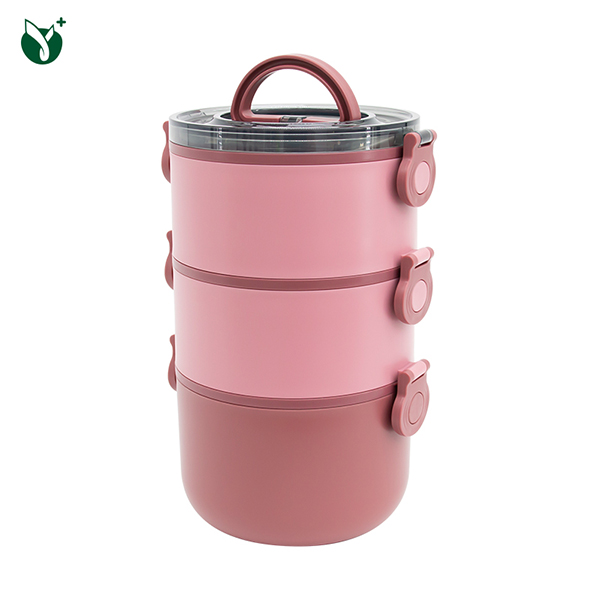
In a significant advancement for sustainable packaging, a new 2-layer lunch box has been unveiled, setting a benchmark for environmentally friendly food containers. Developed with a keen focus on biodegradable materials, this innovative product exemplifies the convergence of cutting-edge research and practical application in the bid to reduce plastic waste and foster ecological preservation.
The company behind this revolutionary lunch box prides itself on its robust R&D team, which possesses extensive experience in the development of biodegradable materials. Leveraging a strong foundation in scientific exploration, the team has worked tirelessly to create a product that not only meets the functional demands of modern consumers but also addresses the urgent need for sustainability in daily life.
### Collaboration Driving Sustainable Innovation
Central to this breakthrough is the company’s strategic partnership with the School of Materials Science and Chemical Engineering at Ningbo University. This collaboration combines academic rigor with industrial expertise, enabling the translation of novel material science concepts into commercially viable, environmentally responsible products. By pooling resources and knowledge, both entities are pioneering the use of biodegradable materials that promise to reshape the packaging industry.
The partnership signifies a forward-thinking approach where academia and industry join forces to tackle environmental challenges. Through joint research projects, advanced material testing, and iterative product development, they have succeeded in formulating a lunch box that is not only durable and functional but also fully biodegradable, reducing the ecological footprint traditionally associated with disposable food containers.
### Features and Benefits of the 2-Layer Lunch Box
The innovative 2-layer lunch box is designed with user convenience and sustainability at its core. Its two-tiered structure allows for the separation of different food items, maintaining freshness and preventing flavor mixing. This design is particularly appealing for those who require multifunctional packaging solutions for meals on the go.
Material-wise, the lunch box is created from proprietary biodegradable compounds that break down naturally without leaving harmful residues. Unlike conventional plastics that persist in the environment for centuries, this product’s materials decompose efficiently, thereby significantly curtailing pollution and contributing to cleaner ecosystems.
In addition to environmental benefits, the lunch box has been engineered to meet key consumer needs such as heat resistance, leak-proof performance, and lightweight portability. Rigorous testing ensures it can withstand everyday use, including microwave heating and refrigerated storage, without compromising material integrity.
### Impact on Environmental Sustainability
The introduction of this 2-layer recyclable lunch box arrives at a time when plastic pollution is recognized as one of the most pressing environmental issues globally. With landfills overflowing and oceans inundated with plastic debris, the necessity for sustainable packaging alternatives has never been greater.
By utilizing biodegradable materials, the lunch box offers a practical solution to reduce dependence on traditional plastics. It contributes to the circular economy by closing the loop on product lifecycle, ensuring that materials return safely to the environment after use. This innovation aligns closely with global efforts to encourage sustainable consumption and production patterns, as outlined by the United Nations Sustainable Development Goals.
Furthermore, the collaboration underscores the vital role that research institutions play in advancing green technologies. Through sustained investment in R&D, the company and Ningbo University demonstrate how science-driven solutions can address complex environmental problems while fostering economic growth in emerging sectors such as biodegradable material manufacturing.
### Future Prospects and Industry Implications
The launch of the 2-layer lunch box marks a pivotal moment in the biodegradable packaging industry. Its successful commercialization sets a precedent for other manufacturers to adopt greener practices and invest in research collaborations that prioritize sustainability.
Looking ahead, the company plans to expand its product line by integrating advanced biodegradable materials into a wider range of packaging solutions. This trajectory not only enhances consumer choice but also promotes widespread adoption of eco-friendly alternatives across various market segments.
Moreover, the ongoing partnership with Ningbo University facilitates continual innovation through access to state-of-the-art research facilities and a pipeline of technical expertise. The company’s commitment to R&D ensures that future products will incorporate the latest advancements in material science, further improving biodegradability, durability, and cost-effectiveness.
### Consumer and Environmental Advocacy
As consumer awareness regarding environmental issues grows, products like this 2-layer lunch box are expected to gain increased acceptance and demand. Environmentally conscious consumers are actively seeking options that reflect their values without sacrificing convenience, driving market trends toward sustainable packaging solutions.
Educating the public about the benefits of biodegradable materials remains a key priority. The company actively engages in outreach initiatives to promote understanding of how such products function and their positive impact on reducing pollution. This advocacy complements product innovation by fostering a culture of environmental responsibility among consumers.
### Conclusion
The development and introduction of the 2-layer biodegradable lunch box embody a landmark achievement in sustainable packaging. Through the fusion of expert R&D, academic collaboration, and consumer-centric design, the company is leading the charge toward more eco-friendly product offerings that align with global sustainability imperatives.
This initiative not only addresses the critical issue of plastic waste but also sets a new standard for biodegradable materials in everyday use. As further innovations emerge from this fruitful partnership, the future of environmentally responsible packaging looks promising, demonstrating that science and sustainability can go hand in hand for a healthier planet.