
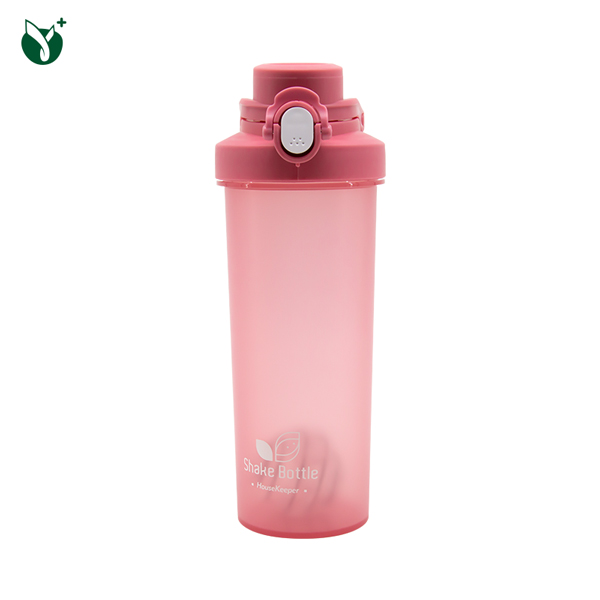
In a significant leap toward environmental sustainability, a pioneering Chemical Plastic Drinking Bottle—developed with advanced biodegradable materials—has emerged as a game-changer in the packaging industry. This innovation, spearheaded by a dedicated R&D team with extensive expertise in biodegradable materials, marks a crucial step forward in addressing the global challenge of plastic pollution. Through a collaborative partnership with the School of Materials Science and Chemical Engineering at Ningbo University, the company is ushering in a new era of eco-friendly materials that promise to revolutionize the way we think about disposable products.
### Addressing the Plastic Pollution Crisis
Plastic pollution has become one of the most pressing environmental issues of our time. Traditional plastic bottles, made from petrochemical-based materials, contribute significantly to landfill waste and ocean pollution, taking hundreds of years to decompose. The need for sustainable alternatives is more urgent than ever, pushing material scientists and product developers to seek innovative solutions that reduce ecological footprints without compromising functionality.
The newly launched Chemical Plastic Drinking Bottle stands out as a result of this effort, combining the durability and convenience of conventional plastic bottles with the environmental benefits of biodegradability. This bottle is made from specially engineered biodegradable polymers that decompose naturally under suitable environmental conditions, significantly reducing the long-term harm caused by plastic waste.
### Innovation Driven by Expertise and Collaboration
At the heart of this breakthrough is a dynamic R&D team renowned for its rich experience in biodegradable materials research and development. With years of accumulated knowledge, the team has successfully navigated the complex challenges associated with creating biodegradable plastics that meet industry standards for safety, strength, and usability.
Recognizing the value of academic-industry partnerships, the company has collaborated closely with the School of Materials Science and Chemical Engineering at Ningbo University. This partnership leverages cutting-edge scientific research and advanced material testing facilities, providing a robust foundation for innovation. The synergy between the company's practical experience and the university’s academic expertise has accelerated product development, ensuring that the Chemical Plastic Drinking Bottle not only meets but exceeds environmental and performance expectations.
Professor Liu Wei, Head of the School of Materials Science and Chemical Engineering, highlighted the importance of this collaboration: “By combining academic research with industry application, we are able to fast-track the development of biodegradable materials that are practical for everyday use. This project exemplifies how science can directly contribute to sustainable solutions.”
### Key Features and Advantages
The Chemical Plastic Drinking Bottle offers multiple benefits that distinguish it from both traditional plastic bottles and existing biodegradable alternatives:
- **Biodegradability:** The bottle is designed to degrade efficiently under natural conditions, minimizing long-term environmental impact.
- **Material Safety:** Manufactured from non-toxic, food-grade biodegradable polymers, the bottle ensures user health and safety.
- **Durability:** Despite its biodegradable nature, the bottle maintains structural integrity during typical use, including resistance to leaks and physical stresses.
- **Reduced Carbon Footprint:** The production process emphasizes environmentally friendly manufacturing practices, from sourcing raw materials to energy consumption.
- **Industry Compatibility:** The bottle can be integrated into current recycling systems and waste management practices, facilitating adoption by manufacturers and consumers alike.
### Implications for the Packaging Industry
The introduction of this Chemical Plastic Drinking Bottle has far-reaching implications for the packaging sector, which faces mounting pressure from regulators, consumers, and environmental groups to adopt sustainable practices. With governments worldwide implementing stricter regulations on single-use plastics, products like this bottle represent viable alternatives that meet regulatory requirements while satisfying market demand.
“We see this innovation as a critical response to the evolving needs of the industry and the planet,” said the company’s R&D Director. “Our goal is to combine practicality with sustainability, ensuring consumers don’t have to sacrifice convenience for environmental responsibility.”
### Looking to the Future: Towards a Sustainable Material Era
This breakthrough marks just the beginning for the company and its partners. Building on the success of the Chemical Plastic Drinking Bottle, ongoing research aims to further refine biodegradable materials for broader applications, including food packaging, medical disposables, and agricultural films.
The company’s vision is to open a new era of environmental-friendly materials, wherein biodegradable plastics become standard rather than exception. With continued investment in R&D, academic partnerships, and sustainable production technologies, this vision is rapidly becoming a reality.
### Community and Environmental Impact
Beyond commercial success, the endeavor contributes significantly to environmental preservation efforts. By reducing plastic waste accumulation and encouraging responsible material lifecycle management, the company aligns its mission with global sustainability goals.
Community awareness programs and educational initiatives are also being planned in collaboration with Ningbo University, aimed at informing consumers and businesses about the benefits of biodegradable materials and encouraging widespread adoption.
### Conclusion
The Chemical Plastic Drinking Bottle embodies a convergence of scientific innovation, environmental stewardship, and industrial foresight. By successfully integrating biodegradable materials into a high-performance drinking bottle, this project not only addresses a critical ecological problem but also demonstrates the power of collaboration between industry experts and academic researchers.
As the packaging landscape evolves, such innovations will play a vital role in shaping a sustainable future, inspiring industries worldwide to rethink materials and processes. With promises of expanded applications and continued improvements, this breakthrough heralds a new chapter in eco-friendly product development—one where convenience and sustainability go hand in hand.