
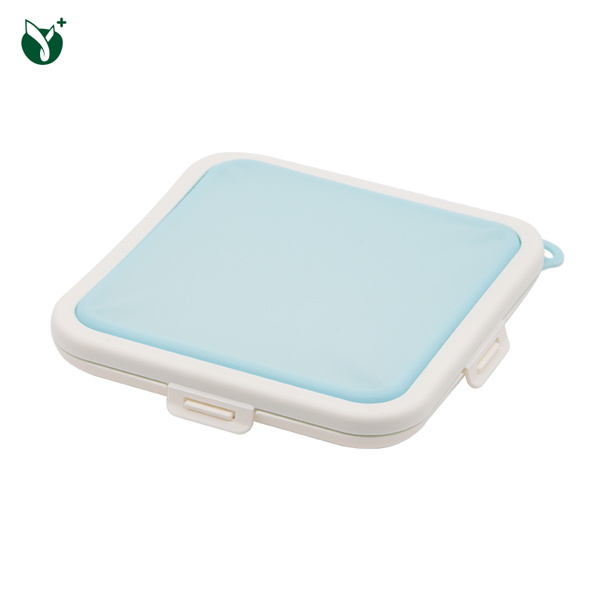
In a significant stride toward sustainable living and environmental protection, a pioneering outdoor water bottle crafted from biodegradable materials is making waves in the industry. This innovation not only represents a leap forward in eco-friendly product design but also underscores the power of collaboration between industry and academia in addressing global ecological challenges.
The recently unveiled outdoor water bottle exemplifies the confluence of functionality, durability, and environmental responsibility. Crafted to meet the demands of outdoor enthusiasts while minimizing ecological footprints, this product is set to redefine how consumers approach hydration on the go.
### A Commitment to Sustainability
At the heart of this development is a dedicated research and development team with extensive expertise in biodegradable materials. Their unwavering focus on sustainable innovation has led to the creation of a water bottle that decomposes naturally, thereby reducing plastic waste that plagues landfills and oceans worldwide.
The R&D team’s specialization ensures that the biodegradable components do not compromise the water bottle’s strength, safety, or usability. Instead, they deliver a product that maintains the rigorous standards expected by active users—lightweight, durable, and leak-proof—while promoting a healthier planet.
### Harnessing Academic Collaboration
This breakthrough stems from a strategic collaboration with the School of Materials Science and Chemical Engineering at Ningbo University, a prestigious institution renowned for its cutting-edge research in material innovation. Through this partnership, the company leverages advanced scientific knowledge and state-of-the-art laboratory capabilities to refine and test eco-friendly materials that align with the country’s ambitious environmental goals.
By bridging academic research with commercial application, the collaboration accelerates the development process and ensures that the final product adheres to stringent quality and environmental standards. This synergy is also instrumental in exploring new avenues for biodegradable materials beyond water bottles, potentially influencing a broad spectrum of consumer products in the future.
### Revolutionizing Environmental-Friendly Materials
The outdoor water bottle marks only the beginning of what promises to be a transformative era in material science. The project embodies a new era of environmental-friendly materials by combining innovation, sustainability, and practicality.
Materials used in the bottle are designed to degrade naturally under specific environmental conditions, which signifies a critical leap from traditional plastics. This characteristic mitigates long-term pollution and reduces the carbon footprint associated with manufacturing and disposal.
Furthermore, the company’s focus on biodegradable materials addresses global concerns about plastic pollution, which is estimated to cause millions of tons of environmental harm annually. By providing a viable alternative for everyday products, they contribute meaningfully to worldwide efforts aimed at reducing plastic reliance.
### Consumer and Environmental Impact
For consumers, this new outdoor water bottle represents an opportunity to make mindful choices without sacrificing convenience or performance. It appeals particularly to environmentally conscious individuals who seek products that align with their values.
On a larger scale, the product’s biodegradable nature can significantly curb the volume of plastic waste generated by disposable bottles and non-recyclable containers. This sustainable approach not only benefits ecosystems and wildlife but also supports governments’ initiatives to promote greener consumer habits.
Moreover, the product exemplifies how innovation can be harmonized with responsibility. It paves the way for more environmentally sustainable consumer goods, encouraging other manufacturers to invest in research and development of green materials.
### Looking Ahead: Opening a New Era
The collaboration spearheaded by the R&D team and Ningbo University symbolizes a forward-thinking approach to environmental challenges. By opening a new era of environmental-friendly materials, this initiative serves as a model for how industry and academia can work hand-in-hand to foster sustainable development.
Future projects emerging from this partnership are anticipated to explore diverse applications of biodegradable materials, ranging from packaging solutions to wearable tech components. Each innovation will build upon the foundation laid by the outdoor water bottle, driving the shift toward a more sustainable and responsible manufacturing ecosystem.
### Commitment Beyond Products
Beyond the product itself, the company is committed to advocating for awareness and education on sustainable consumption. They emphasize transparency in material sourcing, ethical production practices, and lifecycle assessments to ensure that their innovations deliver genuine environmental benefits.
By championing these values, the company not only transforms products but also helps shape consumer mindsets and industry standards. This holistic approach amplifies the impact of their technological advancements, fostering a culture in which environmental stewardship becomes integral to everyday life.
### Conclusion
The introduction of this biodegradable outdoor water bottle signifies more than a new product launch—it heralds the dawn of innovative, sustainable materials that have the potential to revolutionize industries and lifestyles. Through the expert guidance of its R&D team and fruitful collaboration with Ningbo University’s School of Materials Science and Chemical Engineering, the company is at the forefront of opening a new era in environmental-friendly materials.
As society continues to grapple with the repercussions of plastic pollution and unsustainable manufacturing, such innovations offer practical solutions and hope for a greener future. Consumers, industry leaders, and academic institutions alike will be watching closely as this story unfolds, anticipating the next steps in the journey toward eco-conscious innovation and sustainable development.