
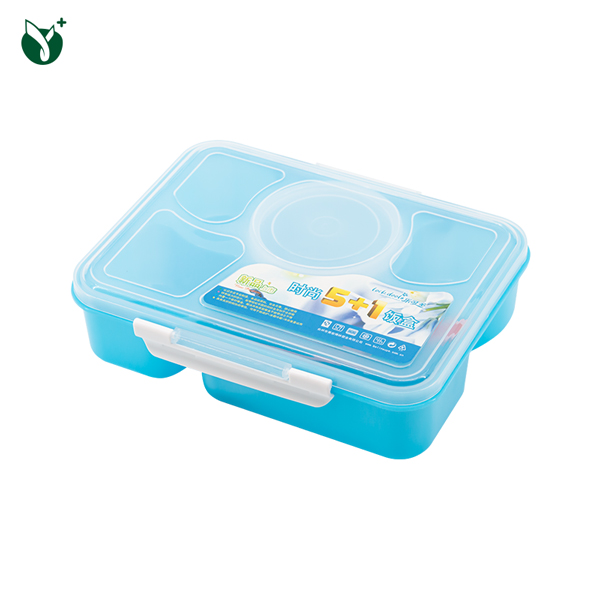
In an era where environmental consciousness is no longer optional but a necessity, the introduction of a new tableware lunch box crafted from biodegradable materials marks a significant milestone. Developed by a company renowned for its dedication to ecological sustainability and cutting-edge research, this lunch box embodies the future of eco-friendly daily essentials.
**Pioneering Biodegradable Solutions**
The company behind this innovative product boasts an R&D team with extensive experience in biodegradable materials. Their commitment to sustainability is reflected not only in the product design but also in the rigorous scientific approach they take toward material development. By focusing on the research and development of biodegradable materials, the company aims to reduce plastic waste and lessen the environmental footprint caused by conventional food containers.
One of the standout features of this tableware lunch box is its complete biodegradability. Unlike traditional plastic containers that take hundreds of years to decompose and often end up polluting oceans and landscapes, this lunch box is designed to break down naturally in a much shorter period. This reduces landfill accumulation and helps protect ecosystems from harmful plastic pollution.
**Collaborative Research Fueling Innovation**
A key factor behind the success of this biodegradable lunch box is the fruitful collaboration between the company’s R&D team and the School of Materials Science and Chemical Engineering at Ningbo University. This partnership combines industrial expertise with academic research, enabling breakthroughs in environmentally friendly materials.
Together, they are pioneering new composites and formulations that enhance the durability, safety, and usability of biodegradable materials. This ensures that while the lunch box is environmentally responsible, it does not compromise on the quality, functionality, or consumer convenience.
The academic partnership has also opened the door to continuous innovation and improvement. Through ongoing research projects and resource sharing, both parties are exploring a range of applications beyond the lunch box itself. This could lead to broader adoption of biodegradable materials in food packaging, utensils, and other daily-use items, fostering an entire ecosystem of sustainable products.
**New Era of Environmental-Friendly Materials**
The launch of this tableware lunch box is just the beginning of what the company and Ningbo University envision as a new era of environmental-friendly materials. With growing global awareness about plastic pollution and ecological degradation, the demand for sustainable alternatives is rising exponentially.
By leveraging advanced material science, the company aims to meet this demand head-on, offering consumers eco-conscious choices that align with modern lifestyles. The meal container’s design also reflects this philosophy — combining practicality, aesthetics, and sustainability to encourage widespread adoption.
In creating a product that integrates well with daily routines, the company hopes to make sustainable living accessible and appealing to a broad audience. The lunch box is microwave-safe, leak-proof, and easy to clean, catering to the needs of busy professionals, students, and families who want convenience without harming the planet.
**Impact on the Market and Environment**
The introduction of this biodegradable tableware lunch box is poised to make a substantial impact on both the market and the environment. As governments and organizations worldwide enforce stricter regulations on single-use plastics, companies offering biodegradable alternatives are gaining a competitive edge.
Environmentally, the lunch box’s widespread adoption can significantly reduce plastic waste. With millions of meals consumed outside the home daily, replacing traditional plastic containers with biodegradable options could cut down plastic pollution on a large scale.
Moreover, the use of biodegradable materials lessens the carbon footprint associated with production and disposal. Many conventional plastics are derived from fossil fuels and require energy-intensive processes, whereas these new materials often rely on renewable resources and more sustainable manufacturing methods.
**Consumer Education and Corporate Responsibility**
Recognizing that consumer awareness is critical for the success of sustainable products, the company is also investing in education initiatives. They aim to inform customers about the environmental benefits of biodegradable materials and the importance of responsible disposal.
To complement the product launch, a series of campaigns focus on promoting sustainable habits and showcasing how small changes, like choosing a biodegradable lunch box, contribute to a healthier planet.
The company’s approach goes beyond mere business objectives. Their corporate responsibility includes fostering environmental stewardship and helping society transition towards more sustainable consumption patterns.
**Looking Ahead**
As this biodegradable tableware lunch box gains traction, it sets a precedent for future innovations in sustainable materials. The collaboration with Ningbo University continues to be a cornerstone of research and development efforts, signaling that this is only the first in a line of products aimed at revolutionizing how everyday items impact the environment.
Consumers seeking greener alternatives now have a practical and effective choice for their daily meal needs. Meanwhile, the company’s dedication to research-driven innovation ensures that the materials utilized will keep improving in performance and environmental impact.
Ultimately, this breakthrough represents a hopeful stride toward balancing convenience with ecological responsibility — a necessary evolution as the world confronts the challenges of plastic pollution and environmental degradation.
---
This news highlights the product as a key development in sustainable living, supported by strong R&D and collaborative innovation, and positions the company and its academic partner at the forefront of the green materials revolution.