
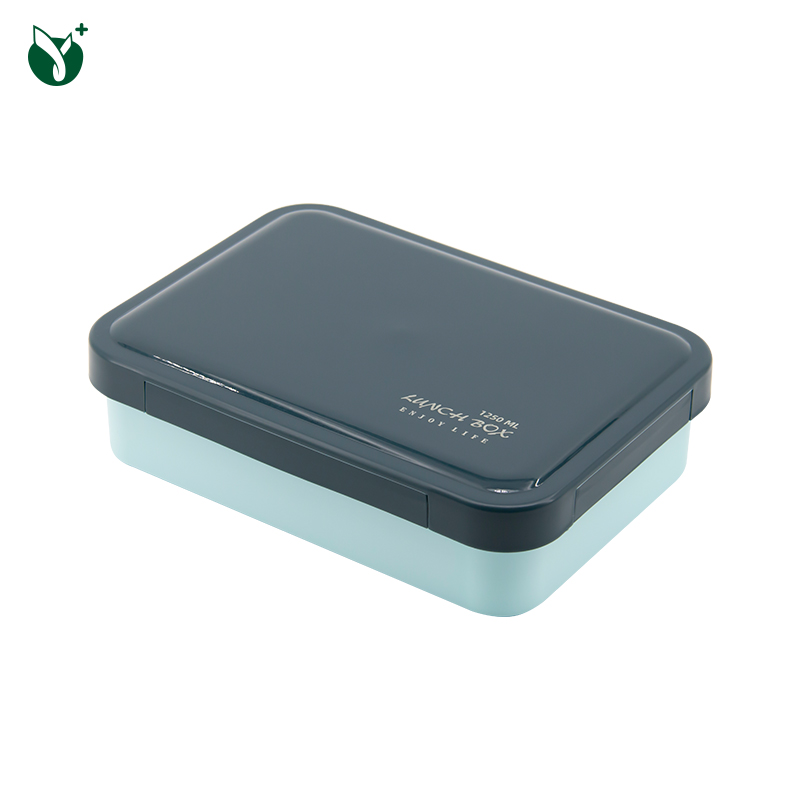
In a significant stride toward environmental sustainability, a new food storage container set has been launched, combining innovative design with eco-friendly materials. This pioneering product reflects the growing demand for green alternatives in everyday household items, particularly in the realm of food storage. The development not only highlights cutting-edge research in biodegradable materials but also demonstrates the power of academic-industry collaboration in advancing sustainable technologies.
### Breaking Ground with Biodegradable Materials
The newly introduced food storage container set distinguishes itself by utilizing biodegradable materials, an achievement made possible by a dedicated and highly experienced research and development (R&D) team. This team has focused extensively on the study and application of materials that decompose naturally without leaving harmful residues, offering a viable alternative to conventional plastics that contribute significantly to environmental pollution.
At the heart of this innovation lies a close partnership with the School of Materials Science and Chemical Engineering at Ningbo University. This collaboration has been instrumental in driving breakthroughs in material science, particularly focusing on compostable and biodegradable polymers that meet both performance and environmental criteria. By integrating academic expertise with practical R&D, the company is setting new standards in sustainable product development.
### Addressing Environmental Concerns Through Innovation
Traditional food storage containers, usually made from non-degradable plastics, have long posed environmental challenges. The widespread use of such plastics results in accumulation in landfills and oceans, taking hundreds of years to decompose and often releasing toxic substances in the process. The new food storage container set addresses this issue head-on by offering a product that meets functional demands without compromising ecological health.
The biodegradable materials used in the container set break down within a relatively short time frame when disposed of properly, reducing the long-term environmental impact significantly. This advancement not only helps to minimize plastic waste but also contributes to a circular economy, where materials can be reintegrated into natural ecosystems safely.
### Design Meets Functionality
Beyond environmental benefits, the new food storage container set has been thoughtfully designed with the consumer in mind. The containers come in various sizes to accommodate different storage needs, from leftovers to meal prep. Each unit is leak-proof, durable, and microwave-safe, ensuring versatility and convenience for everyday use.
The design process involved rigorous testing to ensure that the biodegradable materials would not compromise the strength, safety, or usability of the containers. The successful outcome is a product that competes favorably with traditional plastic containers in terms of durability and performance, while offering the added advantage of being eco-friendly.
### The Role of the R&D Team
The development of this container set exemplifies the company’s commitment to environmental responsibility through continuous innovation. The R&D team, composed of experts with extensive experience in materials science and environmental engineering, has been pivotal in overcoming the technical challenges associated with developing high-quality biodegradable materials suitable for food storage applications.
Their work involves not only formulating new biodegradable polymer composites but also optimizing manufacturing processes to be energy-efficient and scalable. This holistic approach ensures that the product is not only sustainable in use but also in production.
### Partnership with Ningbo University: A Catalyst for Innovation
The strategic partnership with the School of Materials Science and Chemical Engineering at Ningbo University has been a cornerstone of this success. This collaboration provides access to advanced research facilities and academic knowledge, enabling faster innovation cycles and the application of the latest scientific insights.
Together, the company and the university are exploring new frontiers in environmental-friendly materials, including bio-based polymers derived from renewable resources. This joint effort aligns with a broader vision to open a new era of sustainable materials that can replace conventional plastics across multiple industries.
### Responding to Market and Consumer Demand
As consumers become increasingly aware of the environmental impact of their choices, demand for eco-friendly products is on the rise. The launch of this biodegradable food storage container set responds directly to this trend, providing a tangible solution for environmentally conscious households.
Retailers and distributors have expressed strong interest in stocking the product, citing growing customer demand for green alternatives in everyday items. By offering a competitively priced, high-quality biodegradable container set, the company is well-positioned to capture a significant share of the sustainable living market.
### Looking Forward: A Sustainable Future
The introduction of this biodegradable food storage container set marks a pivotal development in the journey toward reducing plastic waste and promoting sustainable consumer behavior. With continued investment in R&D and close cooperation with academic partners, the company aims to expand its range of environmentally friendly products, further contributing to the global effort to combat pollution and protect natural resources.
This innovation not only signals a positive shift in product design and materials science but also serves as an inspiration for other industries to pursue sustainability through technology and collaboration. As the company opens a new chapter in green materials, consumers are empowered to make choices that support both convenience and environmental stewardship.
---
In conclusion, the new biodegradable food storage container set exemplifies how research-driven innovation and academic-industry collaboration can create practical solutions to pressing environmental challenges. It heralds a future where eco-friendly materials become the norm, enabling households to reduce their ecological footprint without sacrificing quality or convenience. This milestone is a promising step toward a healthier planet and a more sustainable way of living.