
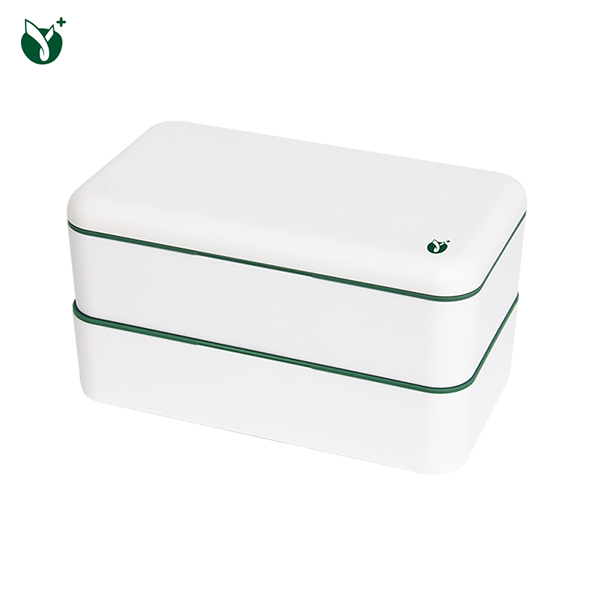
In a significant stride towards sustainable development and environmental protection, a pioneering Plastic PC Bottle, developed without any brand affiliation, has recently garnered attention for its innovative approach to biodegradable materials. This breakthrough epitomizes the commitment of a dedicated R&D team with extensive experience in biodegradable technology, in collaboration with the esteemed School of Materials Science and Chemical Engineering at Ningbo University. Together, they are heralding a transformative era in the production and utilization of eco-friendly materials.
### Advancing Sustainability Through Innovation
Plastic waste, particularly from single-use bottles, has long been a detrimental factor to global environmental health. Traditional plastic bottles, primarily derived from petroleum-based sources, persist in ecosystems for centuries, causing irreversible damage to land and aquatic habitats. Addressing this issue requires not just incremental improvements but a revolutionary approach to materials science — one that balances durability, utility, and environmental impact.
The newly developed Plastic PC Bottle embodies this philosophy. It is designed to maintain the physical and chemical robustness expected of polycarbonate-based products while introducing biodegradable properties that align with ecological preservation demands. Unlike conventional plastics that accumulate in landfills and oceans, this novel bottle exhibits a capacity for natural degradation under appropriate environmental conditions, thereby reducing pollution and supporting circular economy principles.
### Expertise Driving Breakthroughs
Central to this advancement is the company’s R&D team, whose rich experience in biodegradable materials research has been instrumental in overcoming the traditional limitations of polymer science. With a focused dedication to the development of environment-friendly materials, the team has successfully engineered a polymer matrix that incorporates biodegradable components without compromising the mechanical strength and transparency typical of polycarbonate bottles.
“Our mission has been clear: to innovate materials that do not sacrifice performance for sustainability,” explains a lead scientist from the R&D division. “The journey has involved extensive experimentation with biomass-derived additives and catalysts, as well as meticulous tuning of polymerization processes. The result is a product that is not only functional but also markedly eco-conscious.”
### Strategic Academic Collaboration
The partnership with Ningbo University’s School of Materials Science and Chemical Engineering has been a catalyst for progress. This institution, renowned for its cutting-edge research in polymer chemistry and materials engineering, has provided vital academic insight, experimental resources, and intellectual synergy. Through joint research projects, the collaboration has optimized the molecular structure and degradation pathways of the plastic PC bottle material, ensuring compliance with environmental standards as well as industrial scalability.
Professor Li Wei, head of the School, emphasizes the significance of this synergy: “Combining industrial R&D expertise with academic research capabilities creates a dynamic ecosystem that accelerates technological breakthroughs. Our shared vision to promote environmentally responsible materials aligns perfectly with the demands of modern society.”
### Towards a New Era of Environmentally Friendly Materials
The successful development of this biodegradable plastic PC bottle signals a promising shift in the materials manufacturing landscape. It demonstrates that high-performance plastics can evolve beyond the traditional environmental constraints and serve as viable components in green manufacturing.
Potential applications extend well beyond beverage containers, encompassing sectors such as food packaging, medical devices, consumer electronics, and more. Each of these industries faces growing pressure to reduce plastic waste and adopt sustainable solutions, making this innovation broadly impactful.
Moreover, the introduction of such eco-friendly materials supports governmental policies aimed at curbing plastic pollution and advancing the circular economy. It aligns with international agreements and initiatives targeting carbon reduction and sustainable resource management.
### Environmental and Economic Implications
The environmental benefits derived from widespread adoption of biodegradable polycarbonate products are immense. Enhanced decomposition mitigates landfill overcrowding and marine pollution, safeguarding biodiversity. Additionally, integrating biodegradable attributes may reduce carbon footprints associated with plastic production and waste management.
From an economic perspective, this advancement presents lucrative prospects. Industries adopting these materials can appeal to increasingly environmentally conscious consumers and comply with upcoming regulatory frameworks more effectively. Furthermore, it opens avenues for partnerships, licensing opportunities, and innovation-driven market expansion.
### Looking Ahead
As the Plastic PC Bottle prepares for commercial rollout, the R&D team and their academic partners remain committed to continuous improvement. Future research will explore further enhancements in biodegradability rates, cost-effectiveness, and broader material applications.
Public outreach and collaboration with environmental organizations will also be integral to promoting awareness and adoption. Educational campaigns aimed at manufacturers, consumers, and policymakers will facilitate a smoother transition to sustainable materials.
In conclusion, the advent of this innovative Plastic PC Bottle marks a milestone in material science and environmental stewardship. It validates the power of expert R&D collaboration in addressing global challenges and lays the foundation for a greener, cleaner future. Through the combined efforts of experienced researchers and visionary academic institutions like Ningbo University, the new era of environmental-friendly materials is not just envisioned — it is becoming a tangible reality.