
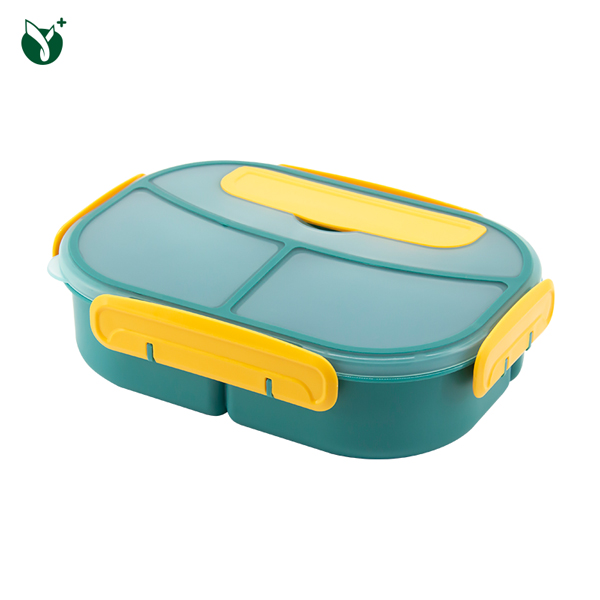
In recent years, the home and kitchen appliance market has witnessed significant changes not only in technology and design but also in pricing strategies. Driven by consumer demand for sustainability and the rising cost of eco-friendly materials, prices of appliances have adapted, reflecting broader industry shifts. This evolving landscape is further bolstered by pioneering companies committed to integrating environmental consciousness with cutting-edge research and development.
A notable trend is the adjustment in appliance prices that correlates directly with the adoption of biodegradable and environmentally friendly materials. While affordability remains a key concern for consumers, manufacturers are increasingly investing in sustainable technologies that may initially elevate costs but promise long-term ecological and economic benefits. This balance between cost and sustainability is reshaping the pricing framework in home and kitchen appliances.
Central to this paradigm shift is the dedicated R&D team of a forward-thinking company specializing in the development of biodegradable materials. With a robust background and extensive experience in material science, this team is driving innovation that aligns with global environmental goals. Their initiatives are not only about creating products that meet current market needs but also about pioneering the next generation of eco-friendly appliance components.
Collaboration plays a crucial role in this company’s strategy. By partnering with the School of Materials Science and Chemical Engineering at Ningbo University, the company leverages academic expertise to accelerate the development of sustainable materials. This partnership represents a pioneering bridge between industrial application and scholarly research, fostering breakthroughs that could redefine environmental standards in the appliance industry.
Together, the company and Ningbo University's joint efforts focus on biodegradable materials that decompose naturally without leaving harmful residues. These innovations address a critical environmental challenge: the persistent pollution caused by conventional plastics and synthetic components commonly used in appliance manufacturing. Through these advancements, the industry moves closer to producing appliances that are not only efficient and durable but also eco-friendly from production to disposal.
The impact of these developments extends beyond product design and materials. Environmentally conscious manufacturing processes contribute to reducing the carbon footprint of appliance production. The integration of biodegradable materials reduces dependence on fossil fuels and minimizes waste in manufacturing facilities. Consequently, pricing structures reflect not just the physical components of the appliances but also their environmental value and the sustainable ethos embedded in their creation.
Consumers are beginning to recognize the importance of sustainable purchasing decisions. Market research shows an increasing willingness to invest in products that demonstrate environmental stewardship, even if these products carry a premium price. This shift in consumer behavior drives manufacturers to prioritize sustainability in their R&D agendas, ensuring that future home and kitchen appliances meet the dual demands of performance and responsibility.
The shift towards environmental sustainability in appliance pricing also aligns with broader governmental and international policies promoting green technologies and eco-friendly products. Subsidies, tax incentives, and regulatory standards encourage companies to innovate responsibly. By anticipating and responding to these policies, companies adopting biodegradable materials position themselves as leaders in a competitive and rapidly evolving market.
Looking forward, the synergy between experienced R&D teams and academic institutions like Ningbo University promises ongoing breakthroughs in sustainable material sciences. As these innovations mature, economies of scale are expected to reduce costs, making environmentally friendly appliances more accessible to the average consumer. Eventually, the premium attached to sustainability will diminish, ushering in an era where eco-conscious appliances become the industry standard rather than a niche option.
Moreover, the company's commitment to environmental innovation sets a precedent within the home and kitchen appliance sector. It challenges other manufacturers to examine their practices and explore partnerships that can expedite the transition towards greener products. This culture of collaboration and commitment to R&D fosters a competitive environment where sustainability is integral to business success.
In summary, the recent trends in home and kitchen appliance pricing reflect a broader industry evolution towards sustainable development. Backed by experienced R&D teams focused on biodegradable material research and strategic academic partnerships, companies are opening a new era of environmentally friendly appliances. This transformation not only benefits consumers seeking responsible choices but also contributes to global efforts in reducing environmental impact. As sustainable innovation continues to advance, the home and kitchen appliance market is set to become a beacon of ecological progress, balancing performance, affordability, and environmental responsibility for years to come.