
In the face of growing environmental concerns and the urgent need for sustainable solutions, the research and development of biodegradable materials have become a significant focus within the scientific community and industry alike. Recently, a pioneering company specializing in eco-friendly packaging has made remarkable strides that promise to revolutionize the way we approach food packaging and waste management. Leveraging a highly experienced R&D team and a strategic collaboration with the School of Materials Science and Chemical Engineering at Ningbo University, the company is set to usher in a new era of environmentally-friendly materials.
### Embracing Sustainability through Innovation
The challenge of managing plastic waste has become increasingly critical worldwide. Plastics, long-favored for their versatility and durability, have contributed significantly to pollution due to their non-biodegradable nature. Traditional food packaging solutions, especially those used for on-the-go meals, often end up in landfills or oceans, posing a severe threat to ecosystems. Recognizing this pressing issue, the company has dedicated its resources and expertise to developing biodegradable alternatives that meet both environmental and practical needs.
The company’s R&D team boasts a wealth of experience in materials science, particularly in the innovation and optimization of biodegradable substances. Their multidisciplinary expertise spans polymer chemistry, environmental science, and industrial design, enabling them to create materials that are not only eco-conscious but also sturdy, safe, and user-friendly.
### Strategic Collaboration with Ningbo University
Central to the company’s progress is its collaboration with the School of Materials Science and Chemical Engineering at Ningbo University. This partnership combines academic research excellence with industrial application, facilitating a seamless transition from laboratory innovation to market-ready solutions.
Ningbo University’s faculty offers cutting-edge knowledge in material synthesis, characterization, and engineering. By working closely with these experts, the company gains access to groundbreaking techniques and scientific insights that enhance the biodegradability, mechanical strength, and processing efficiency of their materials.
This synergy is critical. It allows for rigorous testing and refinement of biodegradable compounds, ensuring that the end products comply with international safety standards and environmental regulations. Moreover, it accelerates the R&D cycle, helping to bring environmentally friendly packaging solutions to consumers sooner and at a competitive cost.
### Highlighting the New Biodegradable Packaging
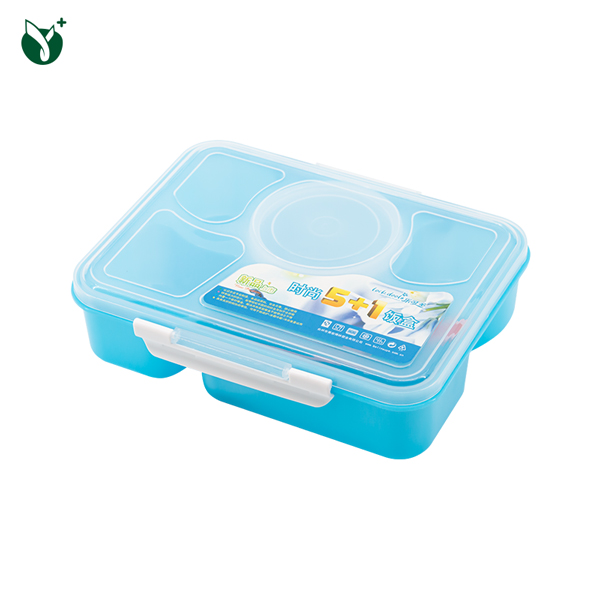
Among the company’s latest developments is a line of biodegradable food packaging designed to replace conventional plastic containers commonly used for lunch and takeout foods. This innovative packaging is crafted from renewable raw materials that decompose naturally in composting conditions without releasing harmful residues.
Key features of the new packaging include:
- **Biodegradability**: Engineered to break down efficiently within a few months under natural conditions, significantly reducing landfill clogging and plastic pollution.
- **Food Safety**: Manufactured using non-toxic, food-grade materials that preserve food quality and prevent contamination.
- **Durability**: Designed to maintain structural integrity during use, ensuring convenience and protection for various types of food.
- **Versatility**: Suitable for hot and cold foods alike, supporting diverse culinary applications.
Early testing phases have shown promising results. The packaging not only meets the functional demands of modern consumers but also supports sustainable waste management practices such as composting and bio-recycling.
### Impact on Environmental Protection and Industry
The introduction of such biodegradable packaging has far-reaching implications. For consumers, it provides an option that aligns with growing environmental awareness and the desire to reduce personal ecological footprints. For businesses, adopting this new material supports corporate sustainability goals and enhances brand reputation by demonstrating commitment to responsible practices.
From a broader perspective, the company’s advancements contribute to the circular economy — an economic model focused on eliminating waste and continuous use of resources. By transforming disposable food containers into materials that re-enter natural cycles, the initiative helps conserve resources and minimize environmental disruption.
Additionally, this development inspires further innovation within the materials science field. It showcases how academia and industry collaborations can address complex global challenges, setting a precedent for future partnerships aimed at sustainability.
### Future Prospects and Expansion
Looking ahead, the company plans to expand its research to include a wider range of biodegradable materials tailored for different applications beyond food packaging, such as agricultural films, disposable tableware, and medical supplies. The ongoing partnership with Ningbo University will continue to be a cornerstone for these efforts, driving innovation through shared expertise and resources.
Furthermore, the company is exploring ways to improve production scalability and cost-effectiveness. Achieving affordable pricing without compromising quality is critical to accelerating market adoption and maximizing environmental benefits.
In parallel, outreach and educational campaigns are being developed to raise consumer awareness about the importance of biodegradable materials and proper disposal methods. Encouraging responsible behavior among users ensures that the environmental benefits of such innovations are fully realized.
### Conclusion
The collaboration between the company’s seasoned R&D team and the distinguished School of Materials Science and Chemical Engineering at Ningbo University marks a significant milestone in the journey toward sustainable living. Through relentless innovation and strategic partnerships, they are not only addressing the urgent need to reduce plastic pollution but also paving the way for a future where eco-friendly materials become the standard rather than the exception.
As the world grapples with the consequences of environmental degradation, such pioneering efforts in biodegradable packaging underscore the power of science and cooperation in creating a healthier planet. This new era of environmental-friendly materials reflects hope and determination—a testament to human ingenuity committed to protecting the Earth for generations to come.