
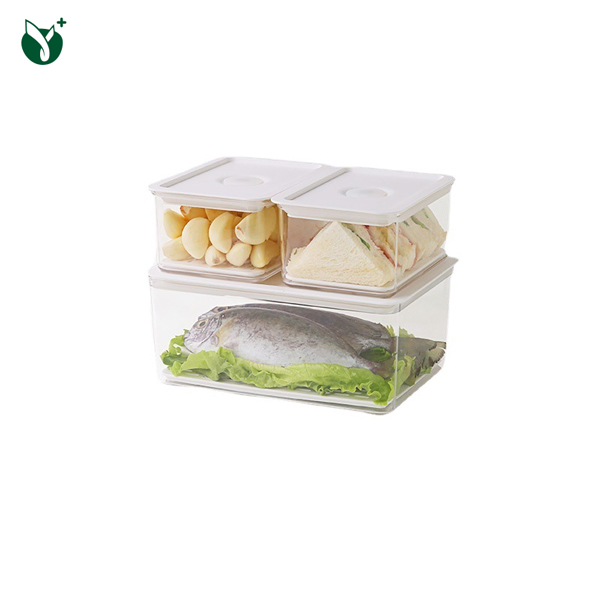
In a significant stride towards sustainability, a new recyclable lunch box has been introduced, embodying cutting-edge research and innovation in biodegradable materials. This development is a direct result of a dedicated R&D team's expertise combined with a strategic partnership with the School of Materials Science and Chemical Engineering at Ningbo University. Together, these efforts signal the dawn of a new age in eco-friendly packaging solutions that could transform daily consumer habits while offering substantial environmental benefits.
### Pioneering Research in Biodegradable Materials
At the heart of this innovation lies a research and development team with rich experience in biodegradable materials. Their mission is clear: to design and produce materials that not only meet the performance demands of modern consumers but do so while minimizing environmental impact. Recognizing the urgent need to reduce plastic waste, the team has focused on developing sustainable alternatives that decompose naturally without leaving harmful residues.
The collaboration with Ningbo University—particularly its School of Materials Science and Chemical Engineering—has been instrumental in this process. By marrying industrial R&D capabilities with academic expertise, the partnership fosters a synergy that accelerates material innovation. This alliance has resulted in the creation of a recyclable lunch box that utilizes advanced biodegradable polymers and environmentally safe components.
### Features and Benefits of the Recyclable Lunch Box
This newly developed lunch box stands out due to its robust combination of functionality, safety, and environmental responsibility. Crafted from biodegradable materials, it offers comparable durability to conventional plastic containers but with the crucial advantage of being recyclable and compostable under proper conditions.
Key features include:
- **Sustainable Material Composition:** Made from bio-based polymers derived from renewable resources, the lunch box ensures reduced reliance on petroleum-based plastics.
- **Complete Biodegradability and Recyclability:** Designed to break down naturally within industrial composting facilities, the product offers a genuinely circular lifecycle.
- **High-Temperature Resistance:** Its ability to withstand heat makes it suitable for microwave use, addressing a common consumer requirement.
- **Non-Toxic and Food-Safe:** It meets rigorous safety standards, ensuring it poses no health risk to users.
- **Lightweight and Durable Design:** Users benefit from a portable, sturdy container ideal for everyday meals, whether at school, work, or on the go.
By packaging these attributes into a single product, the recyclable lunch box not only helps reduce plastic pollution but also aligns with a broader global trend towards sustainable living.
### Environmental Impact and Industry Implications
The introduction of this recyclable lunch box is timely, given mounting environmental challenges caused by plastic waste. Single-use plastics, particularly food packaging, contribute significantly to pollution in landfills and oceans. The persistent nature of traditional plastics—taking hundreds of years to decompose—poses a dire threat to ecosystems, wildlife, and human health.
By utilizing biodegradable, recyclable materials, this new lunch box reduces the environmental footprint associated with disposable containers. Consumers can now enjoy the convenience of portable food storage without the guilt of contributing to plastic pollution. The product’s compostability also means it can return to the environment as organic matter, enriching the soil instead of contaminating it.
Moreover, the partnership between industry and academia sets a strong example for future collaborations, encouraging more companies to embed sustainability into their R&D processes. It reflects a rising trend in the materials science field where innovation targets not only performance but also environmental stewardship.
### Vision for the Future
The R&D team and Ningbo University together envision a future where biodegradable and recyclable materials become the norm rather than the exception. Their work on this recyclable lunch box is just the beginning. Their continuous research aims to further improve the material properties, reduce production costs, and expand applications to other consumer products.
Such innovations are aligned with global environmental goals, including the reduction of carbon footprints, waste minimization, and promotion of circular economy principles. The team is committed to pushing the boundaries of what environmentally friendly materials can achieve, with hopes to inspire industry-wide adoption and set new standards for sustainable product design.
### Consumer and Market Reception
Early market feedback regarding the recyclable lunch box has been positive. Environmentally conscious consumers have welcomed the alternative to traditional plastics, appreciating both the product’s performance and its eco-friendly credentials. Retailers and food service providers are increasingly interested in offering sustainable packaging choices, recognizing growing demand for green products.
Education and awareness also play critical roles in maximizing the impact of such materials. The company is actively engaging in outreach efforts to inform consumers about proper disposal methods to ensure the lunch boxes are recycled or composted correctly, thereby closing the sustainability loop.
### Conclusion
The launch of this recyclable lunch box represents a milestone in the ongoing pursuit of sustainable materials and environmentally responsible product design. Through the combined expertise of an experienced R&D team and the academic prowess of Ningbo University’s materials science department, a new era of eco-friendly packaging solutions is underway.
As consumers and industries alike grapple with the implications of plastic pollution, innovations like this recyclable, biodegradable lunch box offer tangible alternatives that can drive meaningful change. This progress underscores the vital role of scientific research, cross-sector collaboration, and a shared commitment to protecting our planet for future generations.
---
The continued development and commercialization of environmentally friendly materials will undoubtedly shape the future of packaging and consumption, making sustainable choices more accessible and mainstream worldwide.