
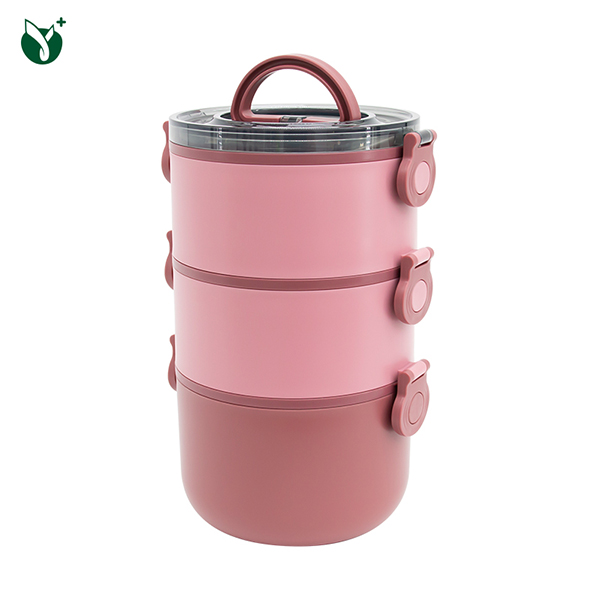
In a significant stride toward environmental sustainability, a pioneering new biodegradable food box has been introduced to the market, promising to revolutionize the food packaging industry. This innovative product exemplifies a major advance in the ongoing quest to reduce plastic waste and promote eco-friendly alternatives. Developed through the collaborative efforts of a highly experienced research and development team specializing in biodegradable materials, and in partnership with the School of Materials Science and Chemical Engineering at Ningbo University, this biodegradable food box marks the dawn of a new era in sustainable packaging solutions.
### Addressing the Urgent Need for Sustainable Packaging
The global food packaging industry is currently grappling with mounting challenges posed by environmental pollution and waste management. Conventional plastic containers, though convenient and cost-effective, are largely non-biodegradable and contribute significantly to landfill mass and ocean pollution. As governments and consumers alike become increasingly aware of the environmental toll of plastic waste, demand for sustainable alternatives has surged.
Responding to this urgent call, the newly launched biodegradable food box offers a practical, eco-conscious substitute designed from materials that break down naturally without leaving harmful residues. This innovation is expected to play an essential role in reducing plastic pollution, thereby aligning with global sustainability goals and consumer preferences for greener products.
### Backed by Expert Research and Cutting-Edge Development
The development of this biodegradable food box is grounded in a robust foundation of scientific expertise and dedicated research. The driving force behind this innovation is an R&D team with extensive experience in the study and development of biodegradable materials. Their comprehensive understanding of material science has been crucial in formulating a product that is not only environmentally safe but also robust, practical, and versatile for various food packaging needs.
Central to the breakthrough has been the strategic collaboration with the School of Materials Science and Chemical Engineering at Ningbo University. This partnership has allowed the seamless integration of academic research with practical application, leveraging advanced technology and scientific insights to optimize the material properties of the food box. The combined efforts have yielded a product that balances biodegradability with durability, ensuring that it can protect food items effectively while decomposing harmlessly after disposal.
### Features and Benefits of the Biodegradable Food Box
This new food box stands out due to its blend of environmental friendliness and functional superiority. Key features include:
- **Biodegradability:** Made from renewable, natural materials, the box decomposes naturally within a short time frame after disposal, significantly reducing the environmental footprint.
- **Food Safety:** Compliant with international food safety standards, the material is non-toxic and free from harmful chemicals, making it safe for direct contact with various types of food.
- **Durability:** Designed to withstand moisture and maintain structural integrity, the box offers a reliable packaging solution for a wide range of food products, from hot meals to cold salads.
- **Versatility:** Its customizable design allows it to cater to different food serving sizes and shapes, making it suitable for restaurants, food vendors, and catering services.
- **Economic Viability:** Produced through cost-effective manufacturing processes, this biodegradable food box is competitively priced, promoting broader adoption in the market.
### Bridging Academia and Industry for Sustainable Innovation
The partnership between the company’s R&D team and Ningbo University highlights the vital role of academia-industry collaboration in driving environmental innovation. By integrating cutting-edge academic research with market needs, this project exemplifies how scientific advancements can be translated into tangible products with a positive ecological impact.
Through joint research initiatives, material testing, and innovation workshops, the collaboration has accelerated the development process, ensuring the biodegradable food box meets both sustainability criteria and practical performance standards. This alliance also signals a commitment to ongoing research and improvement in biodegradable materials, with the potential to expand applications into other packaging sectors.
### A Step Toward a Greener Future
The launch of this biodegradable food box represents more than just a new product; it embodies a proactive response to environmental challenges and reflects a broader corporate commitment to sustainability. By reducing reliance on traditional plastics and facilitating waste reduction, the food box contributes directly to mitigating pollution and conserving natural resources.
Consumers and businesses can now choose a packaging option that aligns with eco-friendly values without compromising on convenience or quality. As awareness grows about the environmental costs of disposable plastics, innovations like this biodegradable food box stand at the forefront of a evolving, greener economy.
### Looking Ahead
Building on this success, the R&D team and Ningbo University plan to continue their collaborative efforts in advancing biodegradable material technologies. Future projects aim to explore enhanced material formulations, greater biodegradation efficiency, and wider applications spanning healthcare, agriculture, and consumer products.
This partnership is poised to keep delivering solutions that not only meet current environmental demands but also anticipate future sustainability challenges. Together, they are paving the way for a circular economy where products are designed with their entire lifecycle in mind, reducing waste and protecting the planet for generations to come.
---
In conclusion, the new biodegradable food box is a testament to the power of innovation fueled by expertise and collaboration. It presents a viable, eco-friendly alternative to plastic packaging, with the potential to make a meaningful impact on environmental conservation efforts globally. By embracing such innovations, industries and consumers alike move closer to achieving a sustainable and responsible future.