
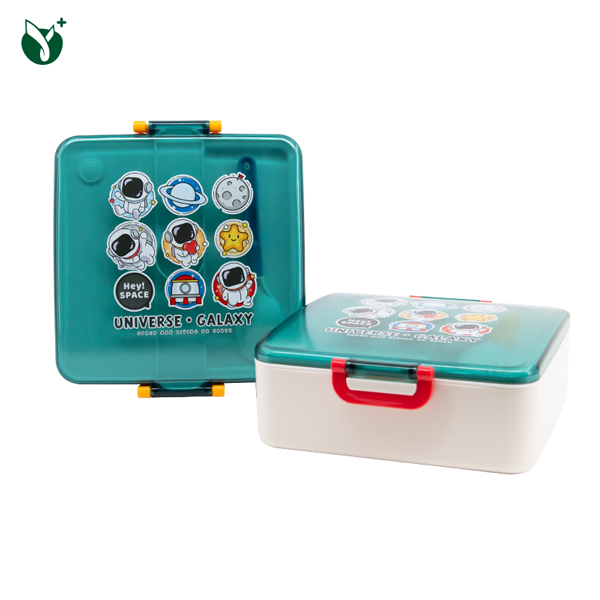
In a significant advancement for sustainable living and environmental conservation, a new plastic storage container box has been introduced, marking a promising step forward in the adoption of biodegradable materials. Developed through the collaborative efforts of a seasoned R&D team and Ningbo University’s School of Materials Science and Chemical Engineering, this product ushers in a new era of environmentally friendly innovations designed to reduce plastic waste and promote ecological balance.
### Addressing the Growing Challenge of Plastic Waste
Plastic pollution has long been recognized as one of the foremost environmental challenges of our time. Traditional plastic storage solutions, while convenient and widely utilized, contribute substantially to the global plastic waste problem due to their non-biodegradable nature. As millions of tons of plastic accumulate in landfills and oceans annually, the urgency for sustainable alternatives has never been greater.
Against this backdrop, the development of a biodegradable plastic storage container box represents a meaningful response to current ecological concerns. By combining functional utility with eco-conscious design, the product exemplifies how industry and academia can partner to drive meaningful change.
### A Collaboration Rooted in Expertise and Innovation
The new plastic storage container box is the product of a dedicated R&D team with extensive experience in biodegradable materials. This group has leveraged their specialized knowledge to engineer a container that not only meets the practical demands of storage and organization but also minimizes environmental impact.
Key to this innovation is the strategic cooperation with the School of Materials Science and Chemical Engineering at Ningbo University. This partnership brings together cutting-edge academic research and industrial application, fostering a knowledge exchange that accelerates the development of green materials.
The synergy between the R&D team and the university has enabled the precise formulation of materials that break down naturally in the environment, consequently reducing the presence of persistent plastic waste. This alliance demonstrates how collaborative research can yield tangible solutions aligned with global sustainability goals.
### Features and Benefits of the New Storage Container Box
While the storage container box retains the durability and convenience expected of plastic products, its biodegradable composition sets it apart as a pioneering solution:
- **Eco-Friendly Materials:** Crafted from biodegradable polymers, the container naturally decomposes under appropriate environmental conditions, significantly lessening its long-term ecological footprint.
- **Durability and Functionality:** Engineers have ensured that the material withstands everyday handling, temperature variations, and moisture, maintaining the integrity and usability synonymous with traditional plastics.
- **Versatility:** Suitable for both domestic and commercial storage applications, this container supports a wide range of organizational needs, from household food storage to office supplies management.
- **Aesthetic Appeal:** Designed with user convenience in mind, the container features a modern, minimalist appearance that complements various decor styles.
### Pioneering a New Era of Environmental-Friendly Materials
This product launch reflects more than just a single-item innovation; it marks the beginning of a transformative movement toward sustainable materials production and consumption. The R&D team’s commitment to environmental stewardship is coupled with their goal to expand the portfolio of biodegradable products, paving the way for broader adoption across industries.
Ningbo University’s involvement underscores the importance of academic institutions in spearheading sustainability research. By combining theoretical insights with practical applications, the partnership is poised to inspire further breakthroughs that address pressing environmental issues.
### Implications for the Industry and Consumers
The introduction of biodegradable storage containers has far-reaching implications:
- **For the Industry:** Manufacturers are encouraged to rethink material sourcing and product design, moving away from conventional plastics toward greener alternatives. This shift could catalyze widespread adoption of eco-friendly materials in packaging, storage, and beyond.
- **For Consumers:** Environmentally conscious customers now have access to practical, sustainable options that do not compromise on quality or convenience. This encourages responsible consumption patterns and supports a circular economy.
- **For the Environment:** Widespread use of biodegradable products reduces landfill accumulation and pollution, ultimately contributing to healthier ecosystems and a reduction in carbon emissions associated with plastic production and disposal.
### Looking Ahead: Commitment to Sustainable Innovation
Driven by a forward-thinking vision, the R&D team and Ningbo University are not resting on this success. Future endeavors include expanding research into diverse biodegradable polymers, optimizing production processes to enhance cost-effectiveness, and exploring end-of-life recycling methods that further reduce environmental impact.
The team invites industry partners, investors, and environmental advocates to join them in championing sustainable materials innovation, recognizing that collaborative effort is essential to address the global plastic crisis.
### Conclusion
The unveiling of the biodegradable plastic storage container box symbolizes a promising stride toward merging convenience and sustainability. Backed by a highly experienced R&D team and bolstered through academic collaboration, this product exemplifies how modern science and innovation can align with environmental responsibility.
As the world grapples with plastic pollution, such developments provide hope and tangible solutions that empower industries and consumers alike to make greener choices. With continued dedication and cooperative spirit, the dawn of a new era in environmental-friendly materials is well underway—one storage container at a time.