
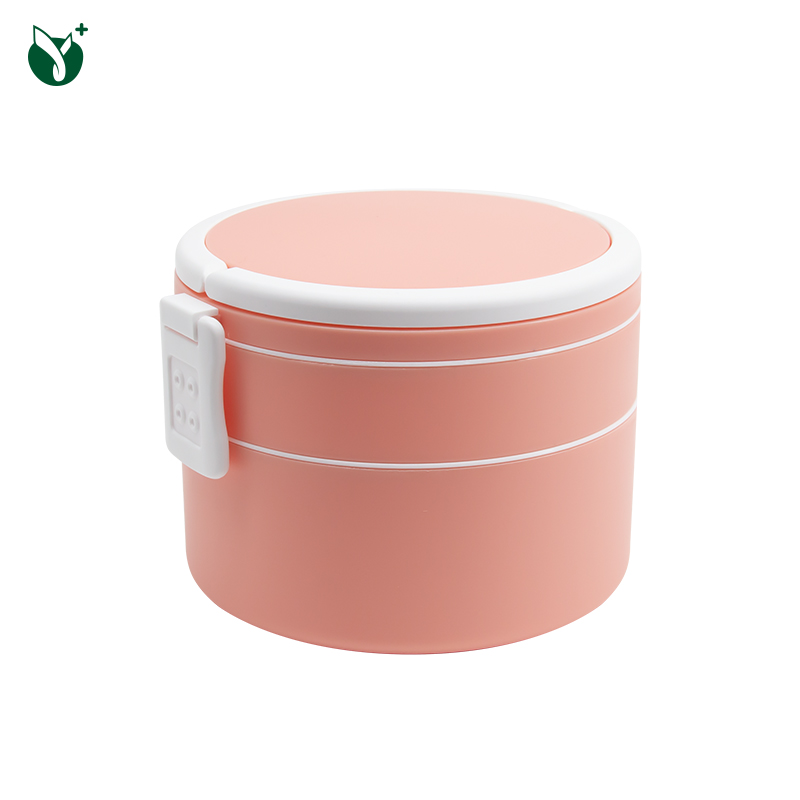
In response to the growing global demand for sustainable and environmentally friendly solutions, a leading innovator in biodegradable materials has announced a significant breakthrough in the development of eco-friendly packaging alternatives. With a dedicated research and development team boasting extensive expertise in biodegradable materials, the company is poised to revolutionize the market by offering innovative solutions that address the pressing environmental challenges posed by traditional plastics.
This exciting development follows an important collaboration between the company’s R&D team and the School of Materials Science and Chemical Engineering at Ningbo University. Together, this partnership promises to spearhead advancements in biodegradable materials, opening a new chapter in the pursuit of a greener, more sustainable future.
### Commitment to Environmental Sustainability
At the heart of this initiative lies a strong commitment to environmental sustainability. With plastic pollution continuing to plague ecosystems worldwide, the need for alternative materials that biodegrade without leaving harmful residues is more critical than ever. The company’s focus on the research and development of biodegradable materials exemplifies its dedication to creating products that not only meet performance standards but also minimize environmental impact.
The R&D team comprises seasoned experts with a wealth of experience in polymer science, material engineering, and sustainable product design. Their insight and innovative thinking have shaped the company’s approach, emphasizing the balance between material functionality and ecological responsibility.
### A Collaboration That Drives Innovation
The partnership with the School of Materials Science and Chemical Engineering at Ningbo University is a cornerstone of this effort. By combining academic research capabilities with practical industry experience, this collaboration accelerates the development of novel biodegradable materials that are both effective and scalable.
Ningbo University’s research institution brings cutting-edge knowledge in polymer chemistry, materials characterization, and sustainability assessment. This synergy boosts the capacity to create new formulations and production methods that enhance biodegradability without compromising the essential qualities required by consumers and manufacturers alike.
This integration of academic and industrial efforts serves as a model for innovation, highlighting the importance of collaborative approaches in addressing complex environmental issues.
### Opening a New Era of Environmental-Friendly Materials
The advancements arising from this initiative are set to transform the landscape of packaging and related industries. Biodegradable materials developed through this collaboration are not only designed to decompose naturally within a shorter timeframe compared to conventional plastics but also ensure that no toxic substances leach into the environment during the degradation process.
This represents a paradigm shift, as industries increasingly seek sustainable packaging solutions that align with global efforts to reduce carbon footprints and support circular economy principles. The new materials provide manufacturers with viable alternatives to conventional plastics, facilitating the transition to greener production lines.
Moreover, these biodegradable solutions can be applied across a broad spectrum of uses, including food packaging, disposable tableware, agricultural films, and more. Their versatility enhances market adaptability and provides consumers with reliable, eco-friendly products that do not sacrifice quality or convenience.
### Addressing Global Environmental Challenges
Plastic waste accumulation has become one of the most alarming environmental issues of the 21st century. According to recent studies, millions of tons of plastic waste end up in landfills and oceans annually, threatening marine life, contaminating food sources, and contributing to greenhouse gas emissions.
The development of biodegradable materials is critical in mitigating this crisis. By ensuring that packaging decomposes swiftly under natural conditions, these materials reduce long-term environmental impact and help prevent the persistent pollution associated with traditional non-degradable plastics.
Furthermore, these innovations align with international regulations and consumer trends emphasizing sustainability, thus giving manufacturers and retailers a competitive edge in a rapidly evolving market.
### Looking Ahead: The Future of Biodegradable Materials
The company envisions continuing its investment in research and innovation to expand the scope and effectiveness of biodegradable materials. Future goals include improving material performance, reducing production costs, and broadening the application range to support more industries in adopting sustainable practices.
Some key areas of focus moving forward will include:
- Developing composite materials that combine biodegradability with mechanical strength suited for demanding applications.
- Enhancing material compatibility with existing manufacturing equipment to simplify adoption.
- Exploring new bio-based raw materials to further decrease dependence on fossil fuels.
- Establishing comprehensive lifecycle assessments to ensure environmental benefits across the product value chain.
By pushing the boundaries of sustainable material science, the company and its academic partners aim to inspire industry-wide transformation and contribute significantly to global environmental protection efforts.
### Conclusion
The emergence of innovative biodegradable materials through the concerted efforts of a highly skilled R&D team and the esteemed School of Materials Science and Chemical Engineering at Ningbo University marks a pivotal moment in sustainable packaging development. This collaboration paves the way for environmentally friendly materials that promise to reduce plastic pollution and promote a circular economy.
As industries and consumers alike strive for greener alternatives, these advancements offer hope for a future where packaging no longer imposes a lasting burden on the planet. Embracing such technologies represents a crucial step toward safeguarding ecosystems, conserving resources, and fostering a healthier environment for generations to come.
This new era of biodegradable materials underscores the power of combining expertise, innovation, and commitment to sustainability — a blueprint for tackling the environmental challenges of today and tomorrow.